Recycling scrap steel rebar is essential for sustainable construction and steel manufacturing. The process typically involves cutting, crushing, sorting, baling, and in some cases, straightening. Here’s a comprehensive overview of the key machines used in scrap rebar processing:
1. Cutting Equipment
Hydraulic Rebar Shears
Designed to cut long rebars into shorter segments (30–100 mm), these machines use high-pressure hydraulics and are available in manual, electric, and automatic models. Ideal for demolition sites and recycling yards.
Metal Circular Saws
Equipped with rotating blades for precise and clean cuts, circular saws are used for processing high-value scrap where accuracy and surface finish are critical.
2. Crushing & Sorting Systems
Metal Shredders / Crushers
These machines reduce rebars into small fragments (<50 mm), making them suitable for smelting. Often paired with:
-
Magnetic Separators: To extract ferrous content.
-
Eddy Current Separators: To recover non-ferrous metals like aluminum or copper.
Jaw or Hammer Crushers
Used for initial size reduction of bulky or mixed-metal scrap before further processing.
3. Baling & Compacting Machines
Scrap Metal Balers
Compress loose steel rebars into compact, stackable bales (e.g., 30×30×30 cm) for easier storage and transport. Hydraulic pressure ranges from 50 to over 1,000 tons.
Rebar Baling Presses
Specialized machines for bundling short rebar offcuts, helping reduce volume and improve logistics.
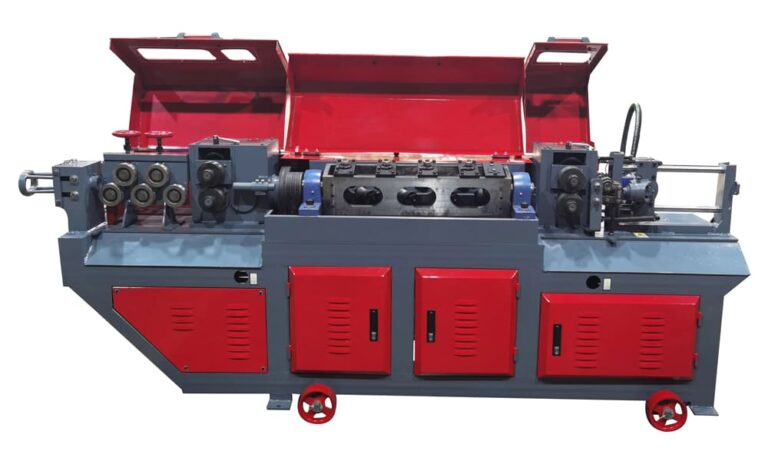
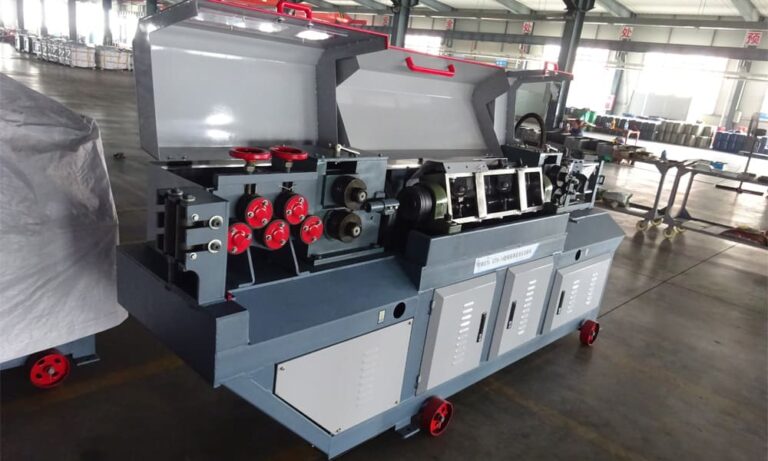
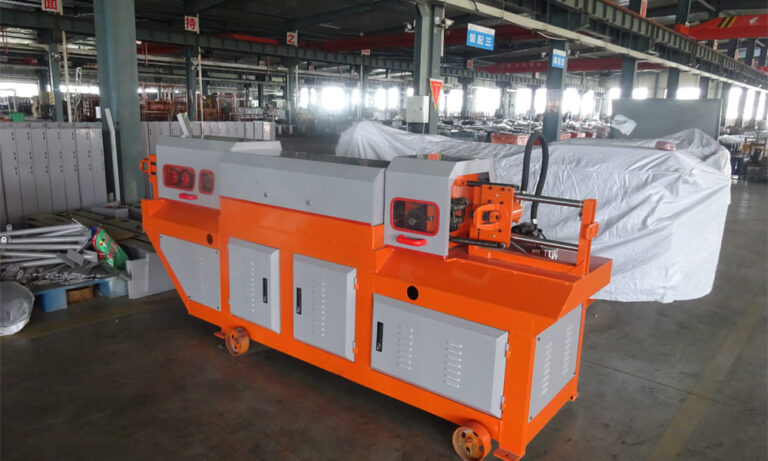
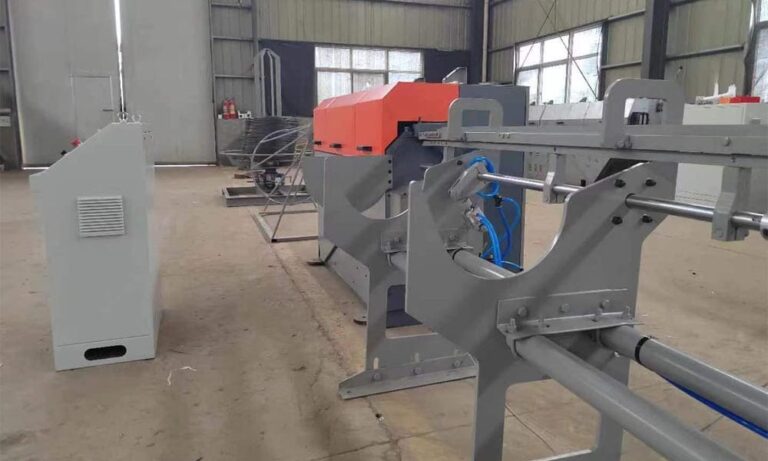
4. Scrap Steel Rebar Straightening Machines
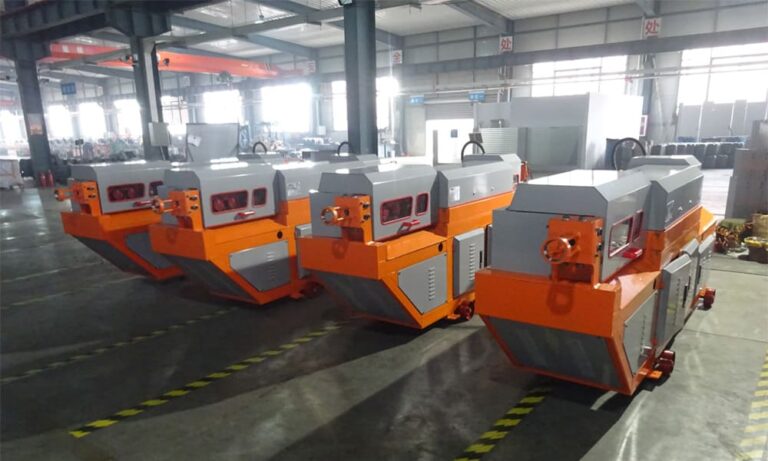
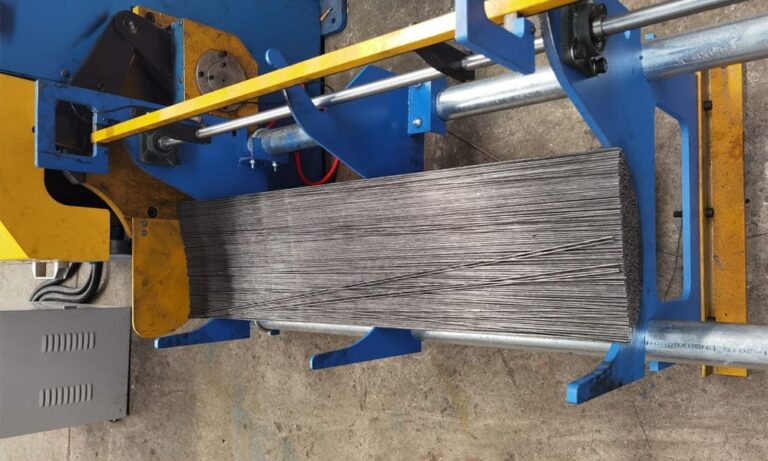
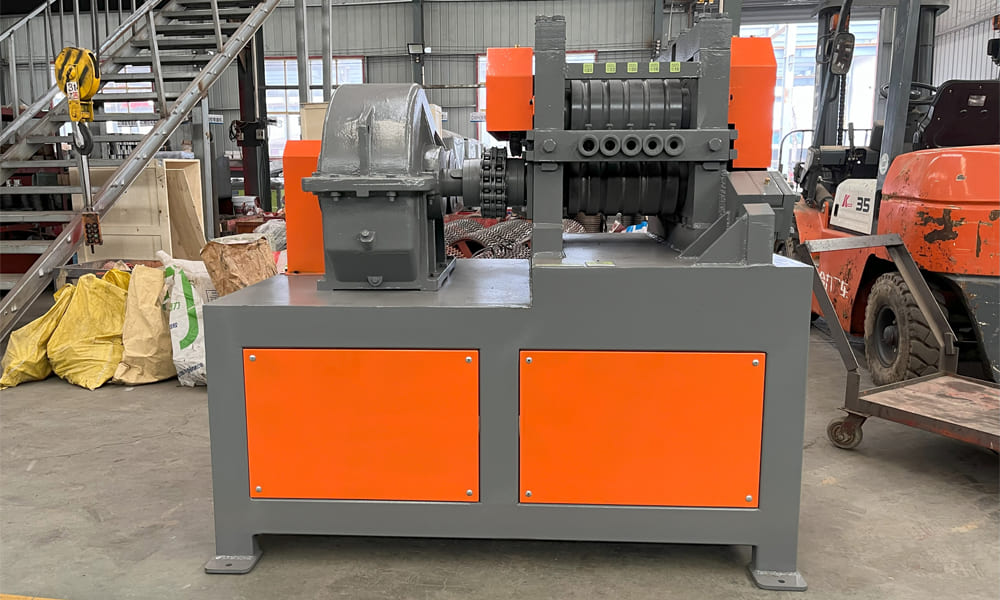
Straighteners restore bent or twisted rebars to usable form, often integrating cutting and de-rusting functions. Commonly used in rebar yards to repurpose scrap into stirrups or structural elements.
5. Auxiliary Equipment
-
Rust Removal Systems: Options include sandblasting, chemical treatments, or wire brushing to clean oxidized surfaces.
-
Conveyors & Elevators: Automate the movement of materials between stages for continuous processing.
Selection Tips
-
Small operations: A shear and baler may suffice.
-
Large-scale facilities: Require shredding, sorting, and baling systems.
-
Automation: Fully automated scrap rebar recycling lines reduce labor but involve higher investment.
Safety Note
Always use personal protective equipment (PPE), maintain blades and hydraulics, and follow operating guidelines to prevent accidents.