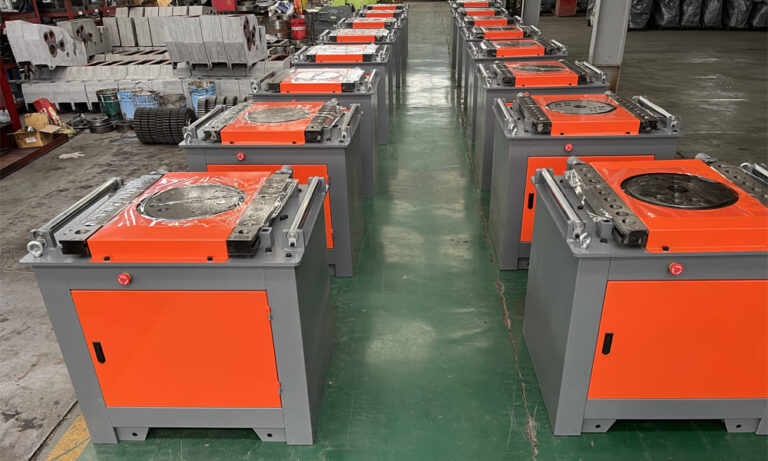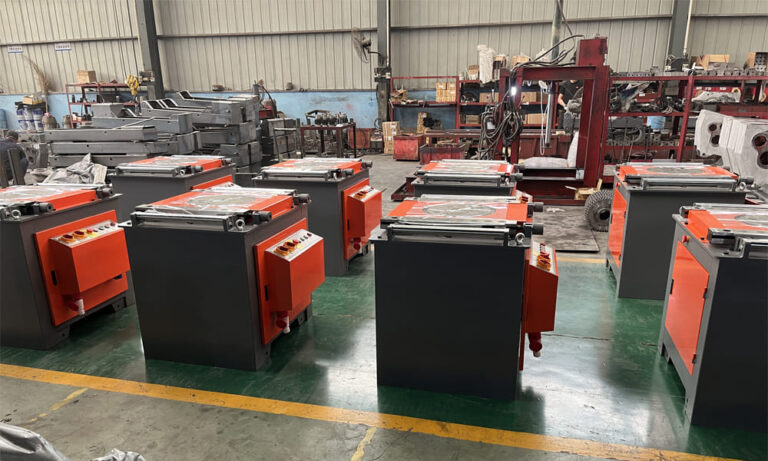
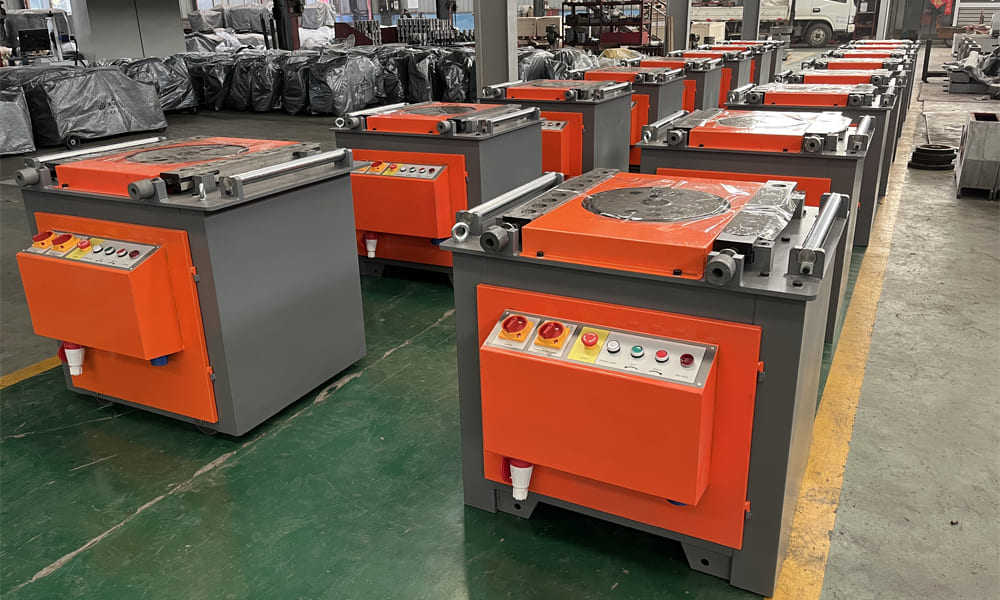
Keeping your P52 Steel Bar Bending Machine in top shape is key to ensuring it works efficiently, lasts longer, and stays safe to use. Regular maintenance is essential—whether it’s daily, weekly, monthly, or when the machine’s not in use for a while. Here’s a straightforward guide to help you with the essential upkeep tasks for your machine.
1. Daily Maintenance: Simple Steps to Start and End Your Shift Right
Every day you use P52 Steel Bar Bending Machine, a quick check-up can make a huge difference.
Cleaning
-
After Use: Wipe down the worktable, mandrels, stoppers, and surrounding areas to remove any iron scraps, dust, and oil stains. Pay close attention to moving parts—make sure no debris is left that could cause problems down the line.
-
Before Use: Check the machine for any debris or foreign objects that might get in the way. Ensure it’s ready to go without any obstruction.
Inspection & Tightening
-
Before firing up the machine, go over all bolts and nuts, especially on key parts like the bending disc, mandrels, and stopper frame. If anything feels loose, tighten it up right away.
-
Double-check that all safety guards are secure and intact.
Lubrication
-
Give sliding components (like the slide rods and stopper grooves) a little love with some lubrication to keep things running smoothly.
Test Run
-
Run the machine without any load for a minute or two. Listen closely for any odd noises—like grinding or knocking—and watch out for excessive vibrations. Also, make sure the forward/reverse functions and foot switches/buttons are working correctly.
2. Periodic Maintenance: Keep Your Machine at Its Best (Every 500 Hours or So)
This is where you get into more detailed checks. Set aside some time weekly or monthly to keep everything in tip-top shape.
Lubrication (A Must-Do)
-
Gearbox/Reduction Unit: Check the oil level and quality. If it’s low, top it up with the right gear oil. If it looks dirty or contains metal particles, it’s time for a full oil change. Change the oil after the first 300 hours, then every 6 months or 2,500 hours, depending on your machine’s usage.
-
Bearings & Rotating Parts: Use grease nipples to pump high-temperature lithium-based grease into critical bearings until the old grease is cleared out.
-
Transmission Chains/Belts: Clean the chains and lubricate them. Also, check the belt tension—adjust it if it’s loose or slipping.
Critical Component Checks
-
Transmission System: Inspect the gears and worm wheels for wear and tear. Look for pitting, damage, or irregular wear that could affect performance.
-
Mandrels & Bending Disc: Make sure the bending disc’s locating holes haven’t worn out too much. Check the mandrels for any deformations or severe wear. They should match the steel bar specs.
-
Electrical System: Listen for unusual noises from the electric motor and check for any heat buildup. Make sure all limit switches and travel switches respond properly, and clean out any dust in the electrical cabinet. Also, tighten any loose wire terminals.
-
Hydraulic System (For Hydraulic Benders): Check the hydraulic fluid levels and quality. If needed, replace or filter it. Inspect the hoses for leaks and check the hydraulic cylinders to ensure smooth operation.
Accuracy Calibration
-
Perform a test bend on a standard sample bar to ensure the angles (like 90° or 135°) are accurate. If they’re off, tweak the angle limit stops or adjust the control system parameters.
3. Long-Term Storage Maintenance: Storing Your Machine for the Long Haul
If you’re putting the machine out of action for more than a month, follow these tips to preserve it for the future.
Cleaning & Rust Prevention
-
Clean the machine thoroughly, and coat all exposed metal surfaces with anti-rust oil or grease, especially the bending disc, mandrels, and guide rails.
Storage Tips
-
Store your machine indoors on a flat, dry surface to keep it safe from moisture and the elements. Cover it with a protective tarp to keep dust from accumulating.
Relieve Load & Pressure
-
Loosen or remove drive belts and chains. For hydraulic machines, retract the cylinders to their shortest position to prevent pressure from building up on the seals.
Pre-Use Inspection After Storage
-
Before you start up the machine again after it’s been stored, do a thorough inspection. Make sure everything is lubricated properly, and run a no-load test to confirm it’s ready to go.
4. Essential Safety Tips for Operation & Maintenance
Safety first! Here are some key reminders to keep in mind when maintaining or operating your machine.
-
Lock Out, Tag Out (LOTO): Always disconnect the power supply and follow Lock Out/Tag Out (LOTO) procedures before doing any maintenance or cleaning.
-
Don’t Overload or Bypass Safety Features: Never exceed the machine’s rated capacity, and never operate it with safety guards removed.
-
Use Genuine Parts & Fluids: When replacing parts like mandrels or gears, always opt for the manufacturer’s original parts or compatible ones with the same specifications. And use the recommended lubricants and fluids.
-
Keep a Maintenance Log: Record everything! Whether it’s routine maintenance, parts replaced, or any issues you encounter, keep a detailed log. This helps track the machine’s condition and schedule future maintenance.
Quick Maintenance Summary Table
| When to Do It | What to Do | Key Points |
|---|---|---|
| Daily | Clean, Inspect, Test Run | Remove debris, tighten bolts, check for strange noises |
| Periodic | Lubricate, Inspect, Calibrate | Change oil, grease bearings, check electrical/hydraulic systems |
| Long-Term Storage | Rust-proof, Unload, Protect | Apply anti-rust oil, loosen belts, store indoors |