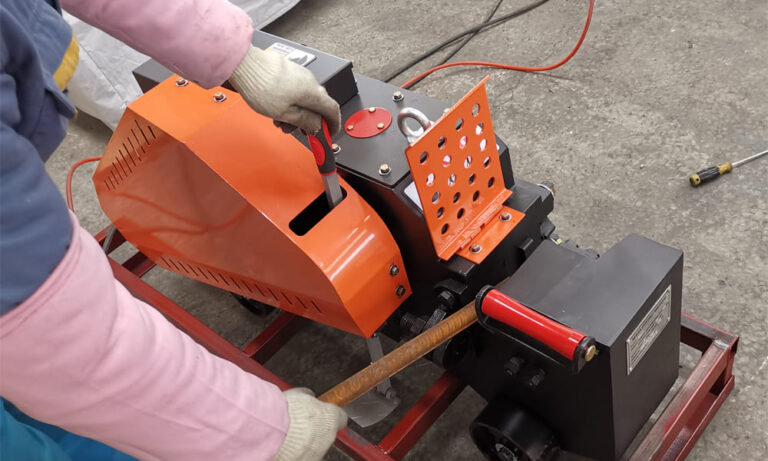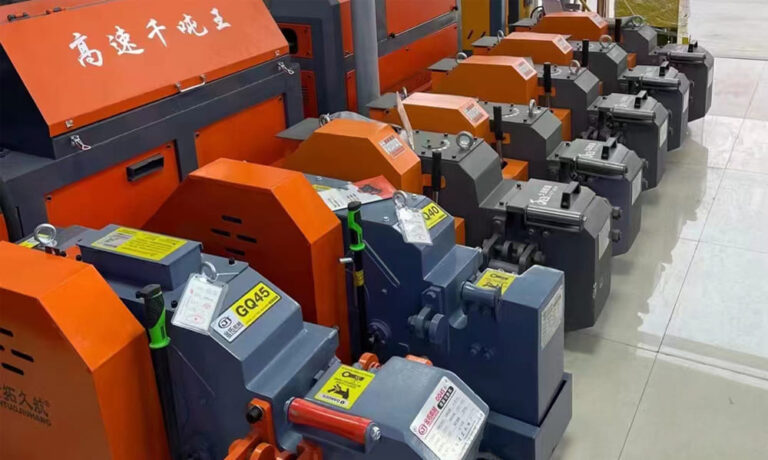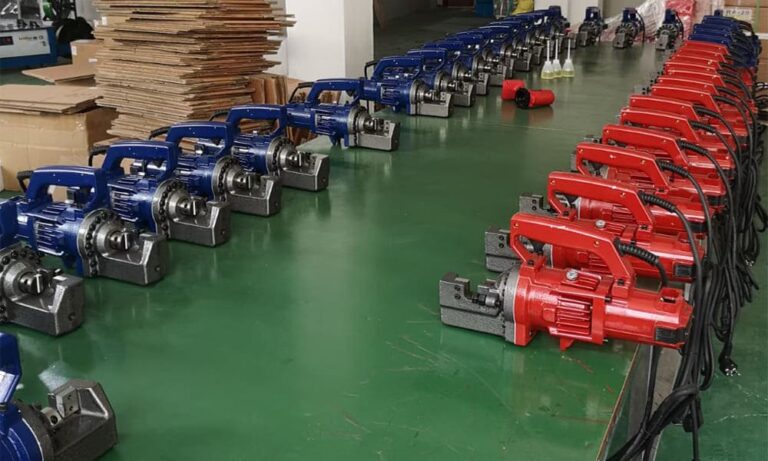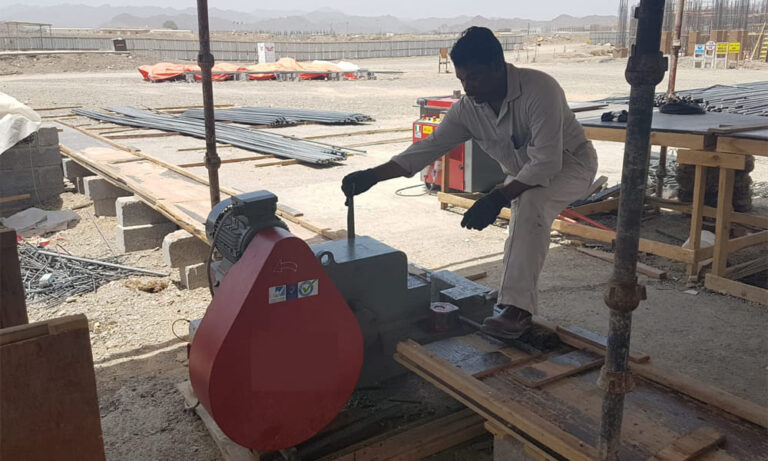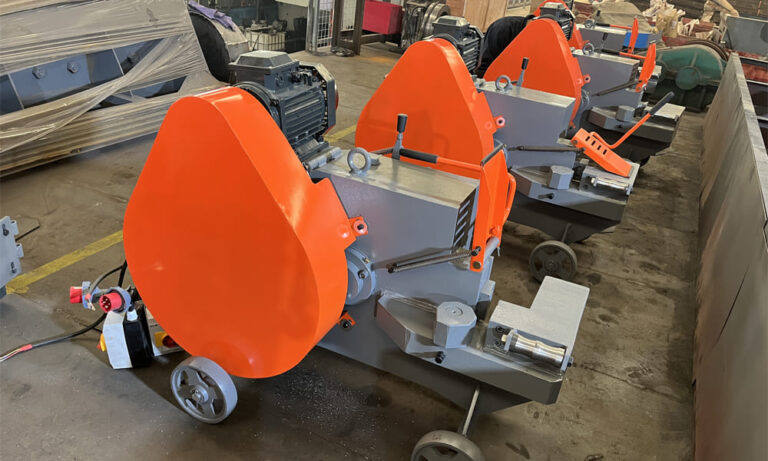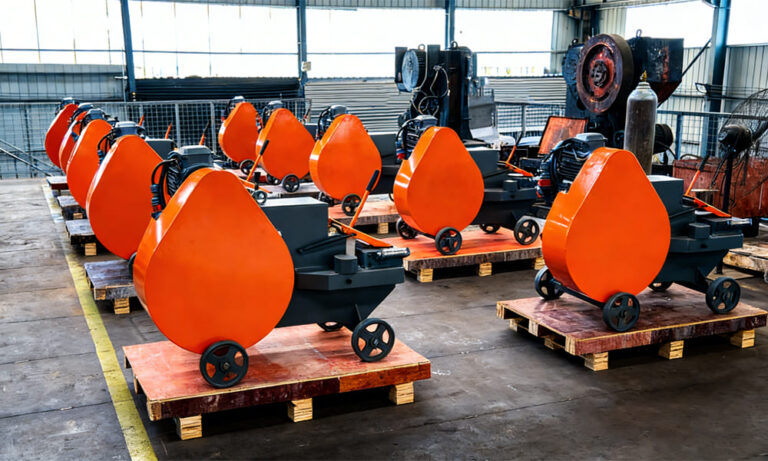
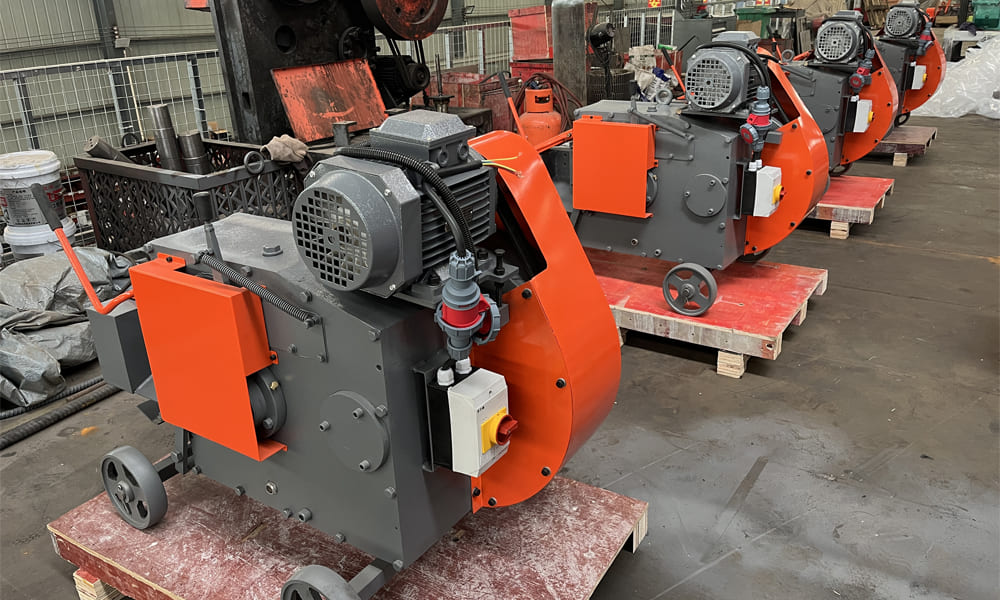
Italy Rebar Cutting Machine, When it comes to investing in a rebar cutting machine, buyers are often faced with a key decision: Chinese vs Italian machines. Both options have their advantages, but they differ significantly in cost, durability, performance, and long-term value. Understanding these differences can help you choose the right equipment for your construction or steel processing needs.
Italy Rebar Cutting Machine – Premium Performance and Reliability
Italian-made rebar cutters are well known for their engineering excellence, heavy-duty construction, and advanced safety features. They are widely used in industrial environments where performance and reliability are non-negotiable.
Key Advantages of Italy Rebar Cutting Machine:
-
High Cutting Capacity: Capable of cutting single bars up to 44–52 mm and handling multiple bars at once.
-
Robust Build: Heavy-duty cast alloy frames, hardened steel blades, and precision-engineered gears ensure durability under continuous use.
-
Superior Precision & Safety: Delivers clean, perpendicular cuts with minimal burrs. Full compliance with CE and ISO standards, including guards, interlocks, and protective systems.
-
Longer Lifespan & Easier Maintenance: Built with serviceability in mind, meaning fewer breakdowns and reduced lifecycle costs.
-
Advanced Features: Many models include automatic feeding systems, cutting carriages, and even combined cut-and-bend functions for greater efficiency.
Chinese Rebar Cutting Machine – Affordable and Practical Solutions
Chinese-made machines are highly attractive for their lower upfront cost and wide availability. They cover a broad range of construction needs but may involve trade-offs in long-term durability and advanced features.
Key Characteristics of Chinese Rebar Cutter:
-
Lower Price Point: Their biggest advantage is affordability, offering strong value for standard applications.
-
Flexible Options: A wide range of models with customization choices such as local voltage settings, portable designs, and simpler layouts.
-
Adequate for Mid-Range Jobs: Most models can handle up to 40 mm rebar, meeting the needs of many common projects.
-
Basic Operation: Typically manual or semi-automatic, with fewer automation and safety features compared to European machines.
-
Variable Quality & Support: Performance and after-sales service depend on the manufacturer. Components may wear faster, and sourcing spares can sometimes be a challenge.
Side-by-Side Comparison: Italy vs China
| Factor | Italian Machine | Chinese Machine |
|---|---|---|
| Cutting Capacity | Up to 44–52 mm, efficient multi-bar cutting. | Typically up to ~40 mm, multi-bar cutting less efficient. |
| Cut Quality | Clean, precise cuts with minimal burrs. | Cut quality can vary; blades may need frequent sharpening. |
| Durability | Heavy-duty cast frames and hardened components for long-term use. | Lighter-duty builds; faster wear under heavy loads. |
| Safety & Certifications | CE, ISO certified, full safety guards and interlocks. | Compliance varies; basic safety features in cheaper models. |
| Automation & Features | Automatic feeding, cutting carriages, cut-and-bend options. | Mostly manual or basic; advanced features are limited. |
| Lifecycle Cost | Higher initial price, but lower downtime and longer lifespan. | Lower upfront cost, maintenance. |
| Upfront Cost | Higher purchase and shipping/import costs. | Much lower price; often more accessible regionally. |
Which Rebar Cutting Machine Is Right for You?
Choose an Italian Rebar Cutter if:
-
Your projects involve heavy-duty, continuous cutting.
-
You need to process large-diameter or high-strength rebar.
-
Compliance with strict safety standards (CE, ISO) is required.
-
You want long-term reliability and a lower total cost of ownership.
Choose a Chinese Rebar Cutter if:
-
Your budget is limited and upfront cost is the priority.
-
The machine will be used for light to medium workloads.
-
You mainly cut standard rebar sizes under 40 mm.
-
You can handle maintenance and have access to spare parts.