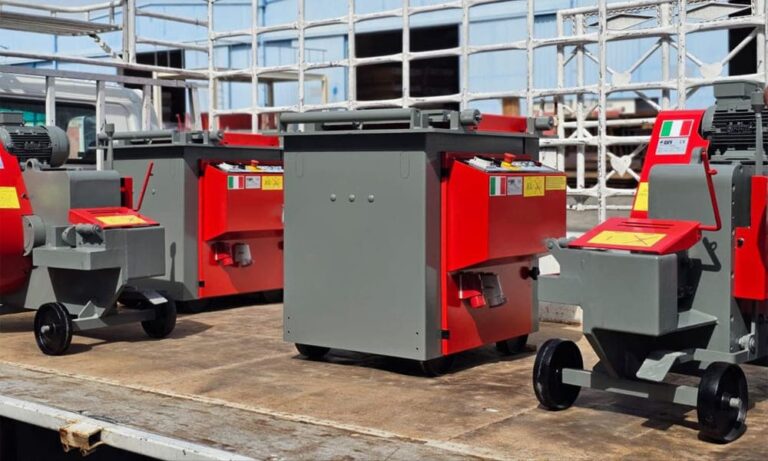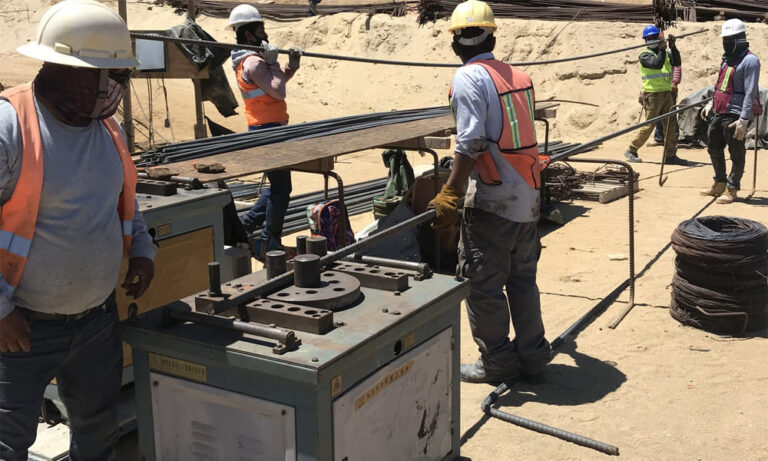
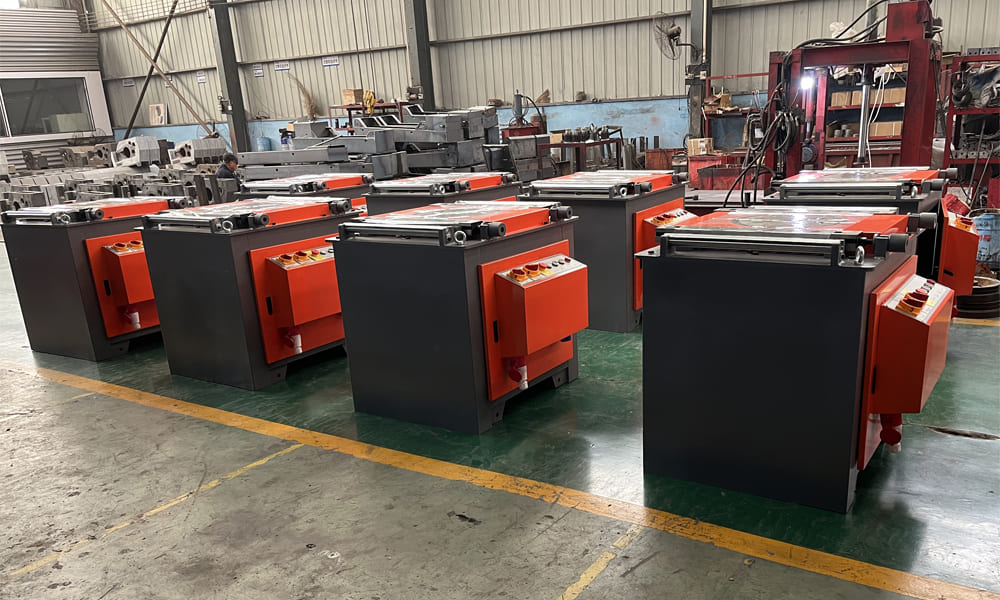
In today’s construction industry, efficiency and accuracy matter more than ever. That’s where the P52 Rebar Bender comes in. Designed to bend steel reinforcement bars into exact shapes and angles, this equipment has become a must-have for projects such as high-rise buildings, bridges, tunnels, and roadworks. But what makes this machine so effective? Let’s take a closer look at its main components and how they function together.
Frame and Base – The Foundation of Stability
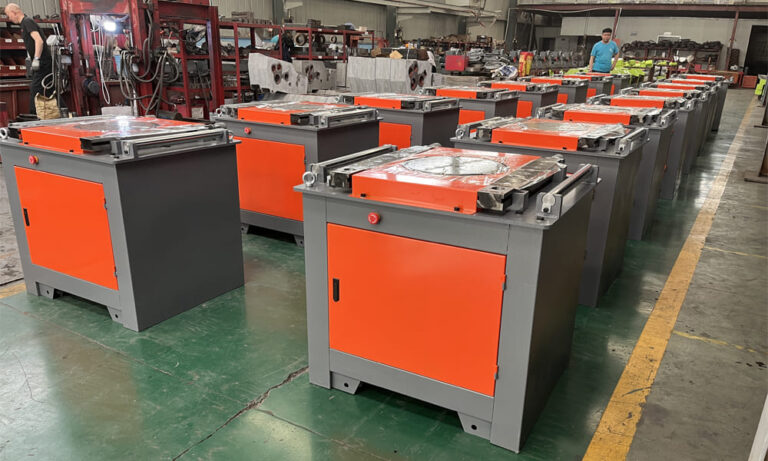
The frame is the strong backbone of the rebar bending machine, usually welded from high-quality steel. It provides the support needed to handle heavy workloads without losing balance. The base is anchored securely to minimize vibration, ensuring each bend is smooth and accurate.
Power System – The Driving Force
At the core of the machine lies its motor and gearbox. Typically ranging from 3 to 7.5 kW, the motor delivers the power, while the gearbox or reducer translates it into the torque required to bend rebar effortlessly. This combination guarantees reliable performance even in demanding jobs.
Working Platen and Bending Mechanism – Where the Action Happens
The working platen is a rotating disc equipped with a dial that allows angles from 0° to 180°. Along with the bending pin and stopper shaft, it applies pressure to shape the steel bar into the required design. Depending on the model, the bending process can be mechanical or hydraulic.
Hydraulic System – Power for Heavy-Duty Tasks
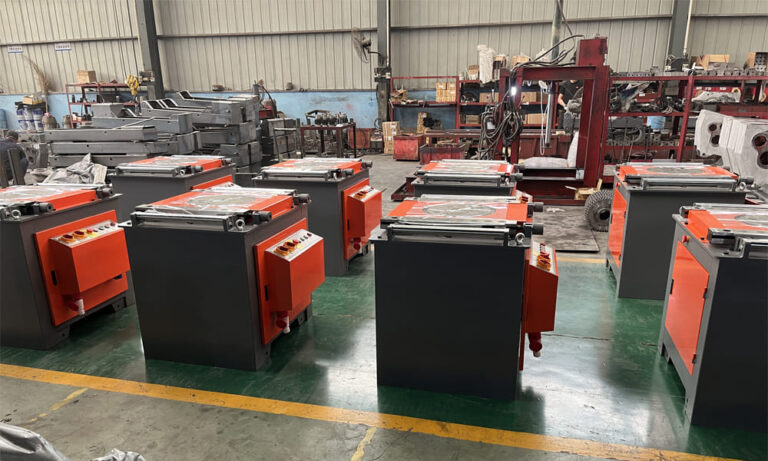
Hydraulic versions of rebar benders use pumps, cylinders, and valves to bend thicker and stronger bars. Many of these models also include a pressure gauge, giving operators full control over the bending force.
Control System – Precision at Your Fingertips
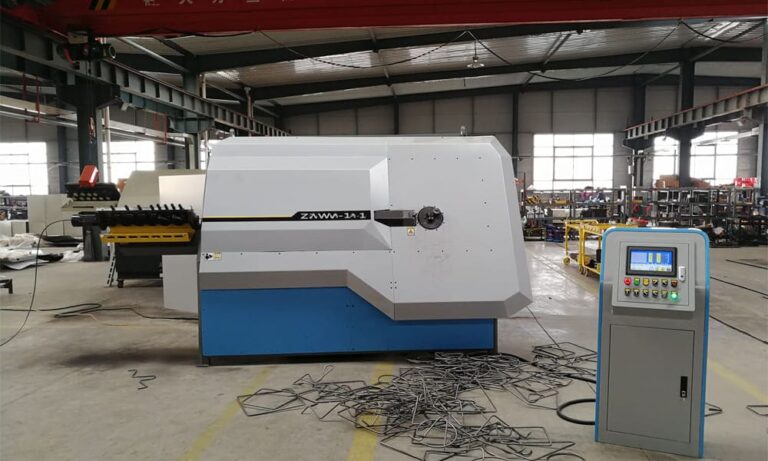
From simple pushbuttons and foot pedals to advanced CNC touchscreens, the control system makes operating the rebar bending machine straightforward. Modern models allow operators to preset bending angles and speeds, while safety features like overload protection and emergency stops add an extra layer of security.
Extra Features for Flexibility
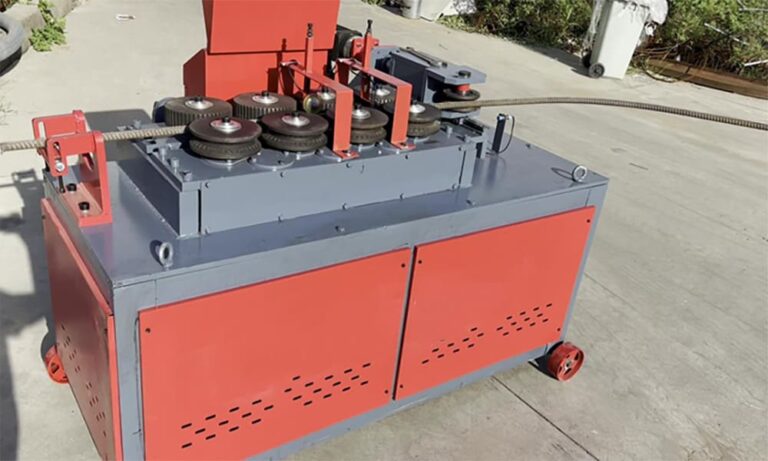
Auxiliary parts such as wheels for mobility, adjustable baffles, and interchangeable bending dies (for rebars from 6 mm to 40 mm) make the machine adaptable to different job site requirements.
Final Thoughts
By combining strength, precision, and smart controls, the rebar bending machine achieves bending accuracy within ±1°. It not only saves time and reduces manual labor but also delivers consistent quality in every bar. That’s why it has become an essential tool in construction and infrastructure projects worldwide.