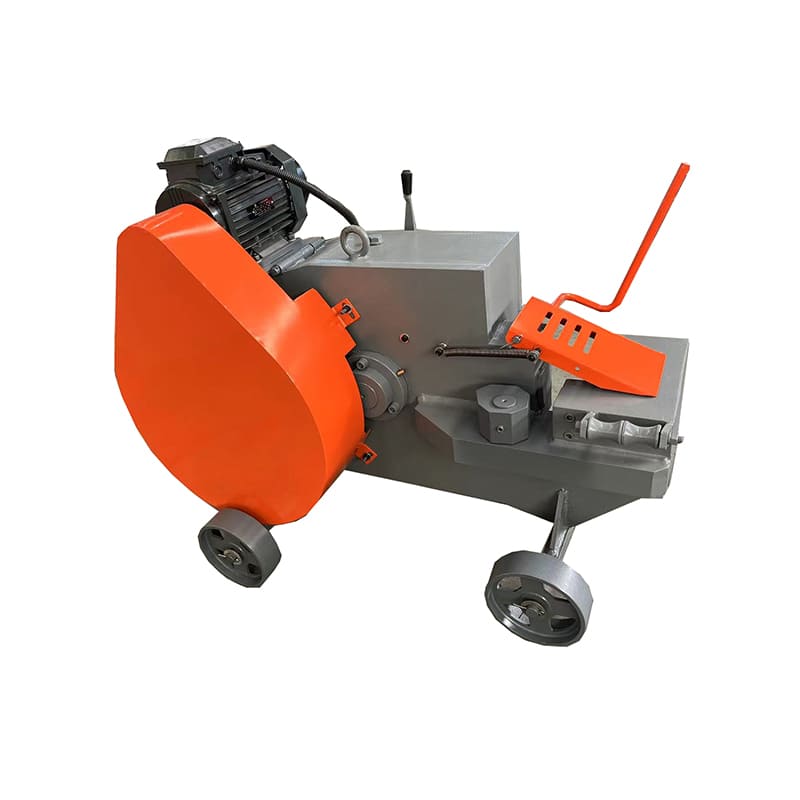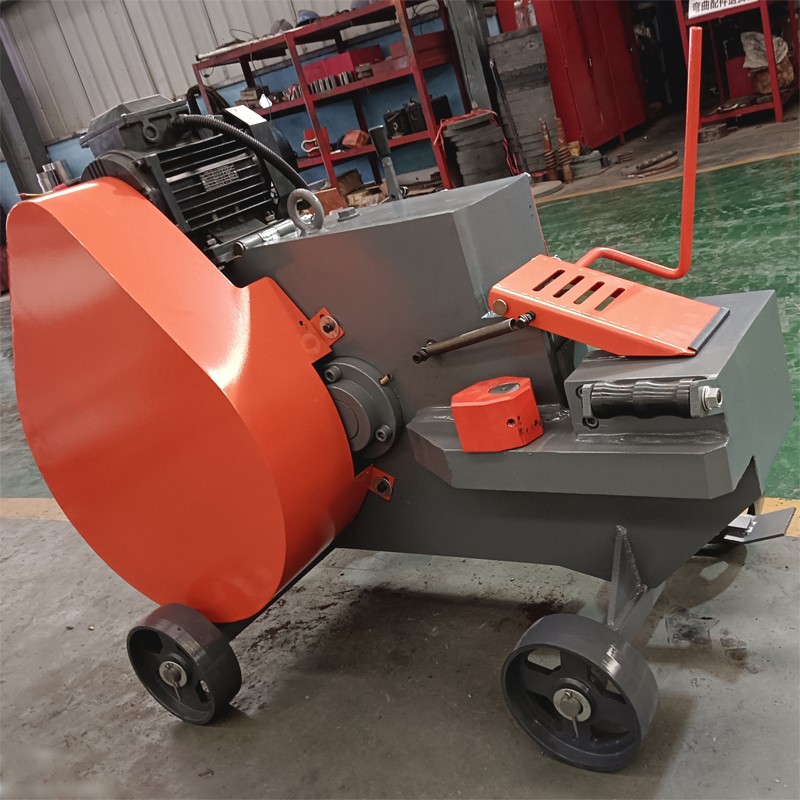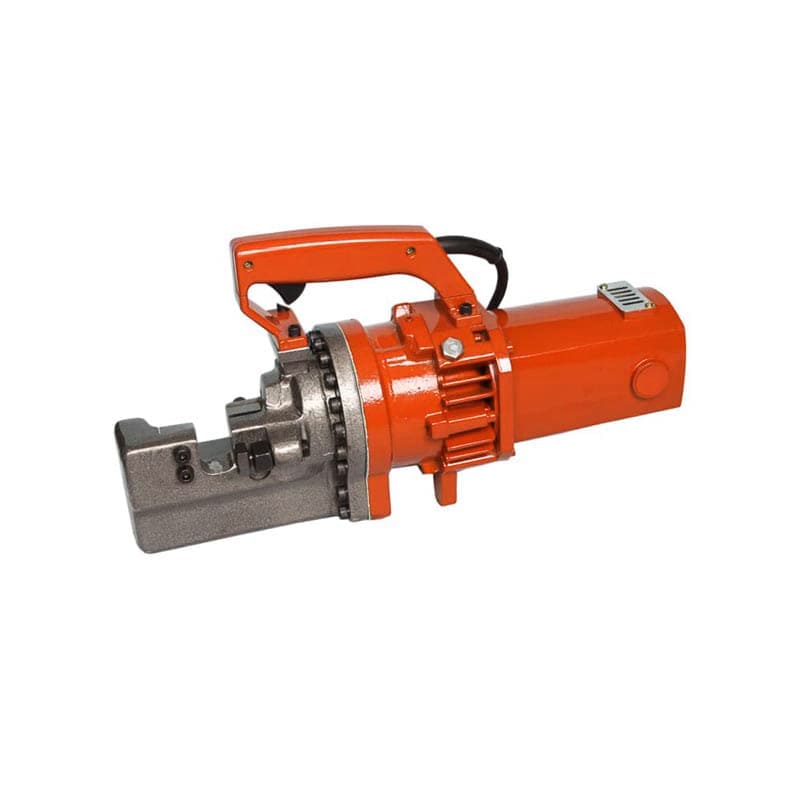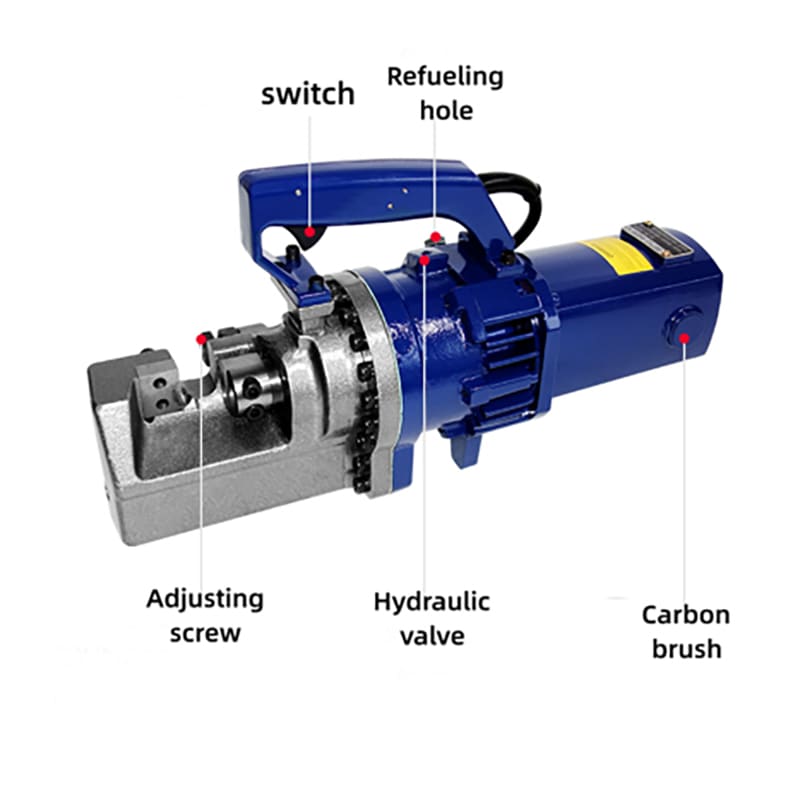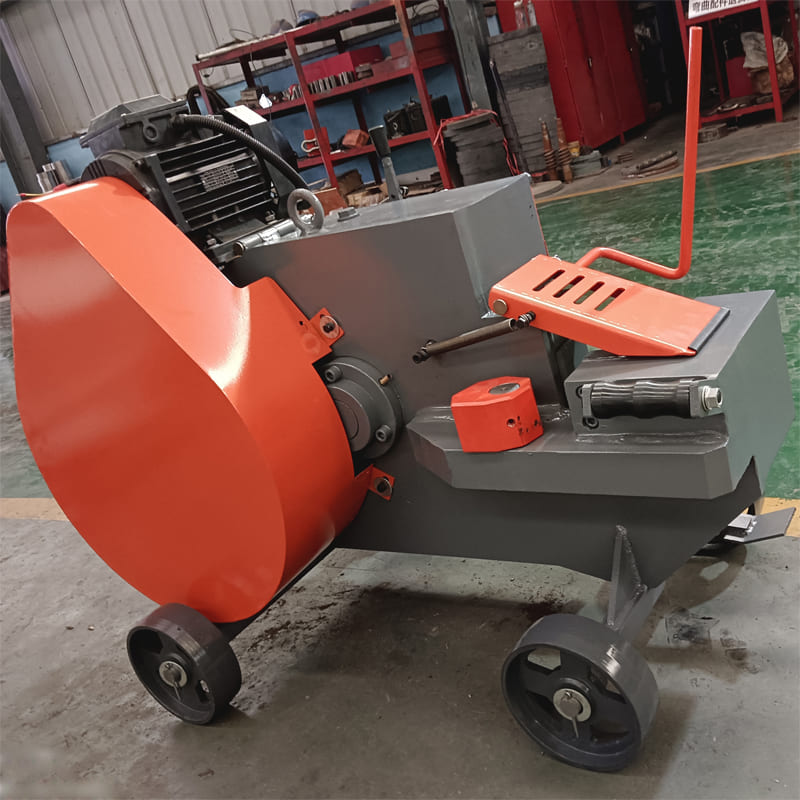
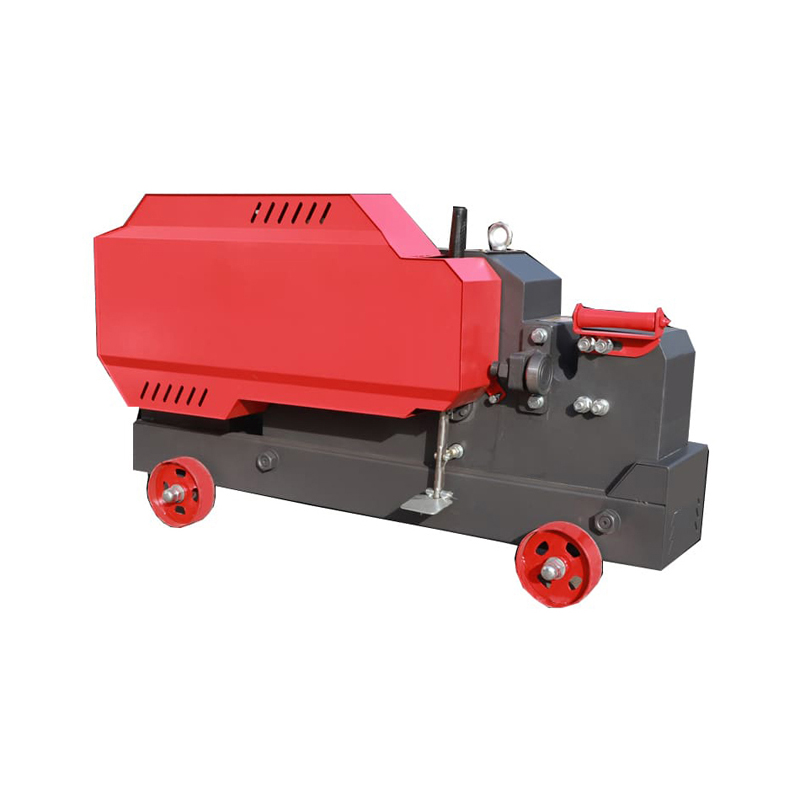
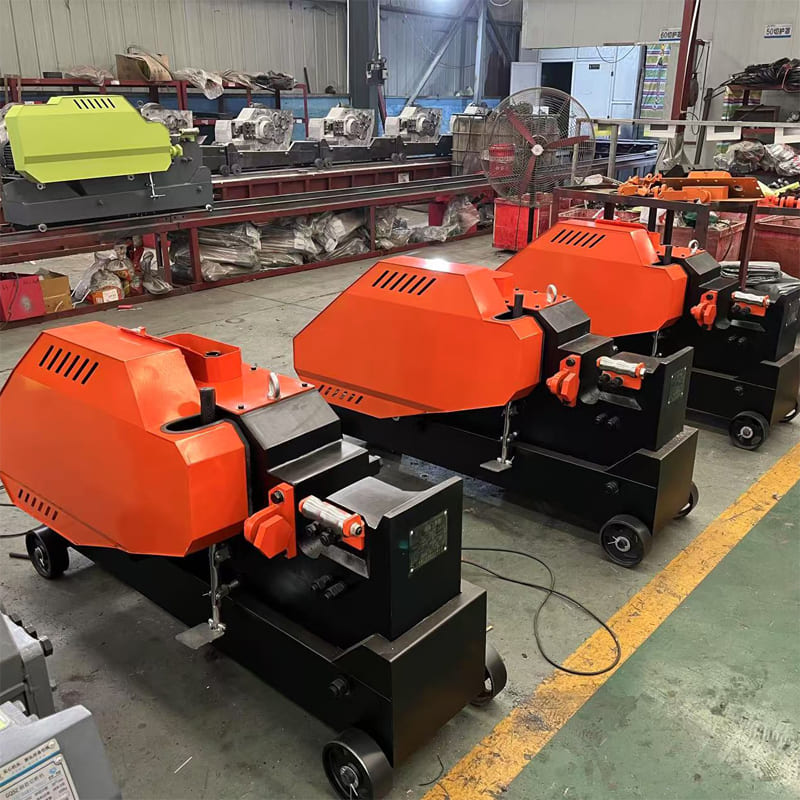
GQ50 Steel Rebar Cutting Machine
Cutting Capacity: ≤ø50mm
Cutting Frequency: 32times/min
Motor Power: 4kw(3 Phase)
Voltage: 380v(Customized)
Weight: 590kg
Dimension: 1530*600*870mm
GQ50 Steel Rebar Cutting Machine
GQ50 Steel Rebar Cutting Machine delivers industrial-grade performance for cutting carbon steel, hot-rolled rounds (up to 50mm), and threaded rebar, featuring a rugged construction with precision-engineered components including a traveling wheel system, reinforced cutter head, and reliable clutch mechanism for dependable operation in demanding construction environments.
Key Specifications:
| GQ50 Steel Rebar Cutting Machine Specifications | |
|---|---|
| Cutting Capacity | |
| Grade II Rebar (≤450N/mm²) | ≤ø50mm (≤1.97″) |
| Grade III Rebar (≤650N/mm²) | ≤ø40mm (≤1.57″) |
| Performance | |
| Cutting Frequency | 32 cuts/minute |
| Power System | |
| Motor Power | 4 kW (5.4 HP) 3 Phase |
| Voltage | 380V (Customizable to other voltages) |
| Physical Specifications | |
| Weight | 590 kg (1,301 lbs) |
| Dimensions (L×W×H) | 1530 × 600 × 870 mm (60.2 × 23.6 × 34.3 in) |
Product Features:
Durable Construction
Crafted from high-quality ductile iron casting, the GQ50 Steel Rebar Cutting Machine offers a robust, compact design that ensures long-lasting performance and reliability while optimizing space usage on the job site.
Efficient Lubrication System
The enclosed box-type structure incorporates a gear splash lubrication system that delivers superior lubrication. A single refueling allows for continuous operation exceeding two months. To maintain optimal performance, ensure the oil level remains above the indicated scale mark.
Energy Efficiency
With improved lubrication and the integration of rolling bearings at the gear shaft ends, the GQ50 significantly reduces internal resistance. This results in up to 33% lower power consumption compared to standard machines operating under similar loads.
Ease of Mobility & Maintenance
Engineered for convenience, the GQ50 features front-wheel steering, making it easy to move around construction sites. Its design also allows for straightforward maintenance and reduced downtime.
Secure Blade Mounting
The knife plate is firmly fixed in place with transparent locking bolts, providing enhanced stability during operation and resistance to wear or displacement.
Safety & Precautions for Use:
I. Preparations Before Operation
-
Manual Gear Inspection
Rotate the machine manually to confirm smooth movement and proper gear meshing. -
Blade Installation Check
Ensure the cutting blades are securely mounted, maintaining a gap of 0.2–0.5 mm between them for optimal cutting performance. -
Bolt Tightness Inspection
Check all bolts across the machine to ensure they are properly tightened. -
Electrical System Verification
Inspect electrical components for proper insulation and operational integrity. Install a leakage protection device and confirm the grounding wire is securely connected to ensure electrical safety. -
Lubrication
Lubricate all rotating parts thoroughly before startup to reduce friction and wear. -
No-Load Test
Perform a no-load test run. If any unusual noises, vibrations, or irregular movements are observed, stop the machine immediately and carry out necessary inspections or repairs.
II. Safety Precautions During Operation
-
Correct Cutting Position
Always position the steel bar against the lower edge of the blade during cutting. Avoid using the upper edge to prevent undue strain on the machine. -
Blade Condition Monitoring
Frequently inspect the cutting blade during use. If signs of wear or dullness appear, promptly sharpen or replace the blade to maintain cutting quality and safety. -
Handling Malfunctions
If operational issues arise, disconnect the power immediately before inspecting or servicing the equipment. -
Prohibited Adjustments During Operation
Never perform repairs or make adjustments while the machine is running. -
Safety Guards
Confirm that all safety guards are in place and securely fastened before starting the machine to prevent accidents or injuries. -
Proper Clutch Operation
When engaging the clutch, press it down fully. Partial engagement can lead to premature clutch wear and machine damage. -
Debris Removal
Regularly clear any steel debris or waste material beneath the blade to avoid excess pressure, which could damage the knife plate or loosen its fixing bolts.