Rebar Cutting Machine Head Fractures and Daily Operating Precautions
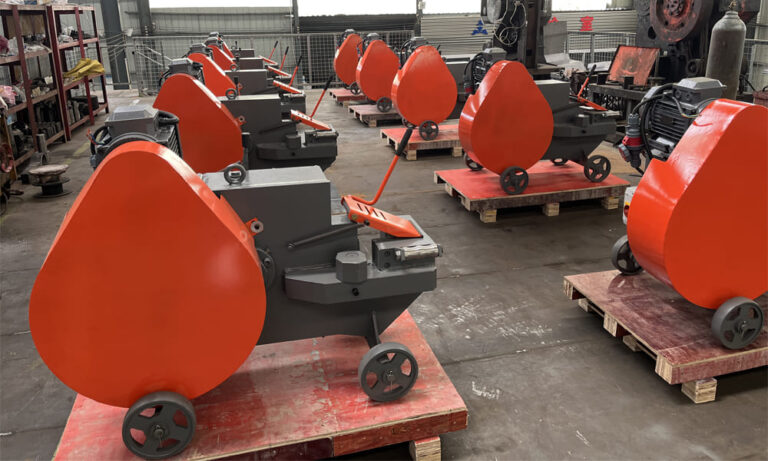
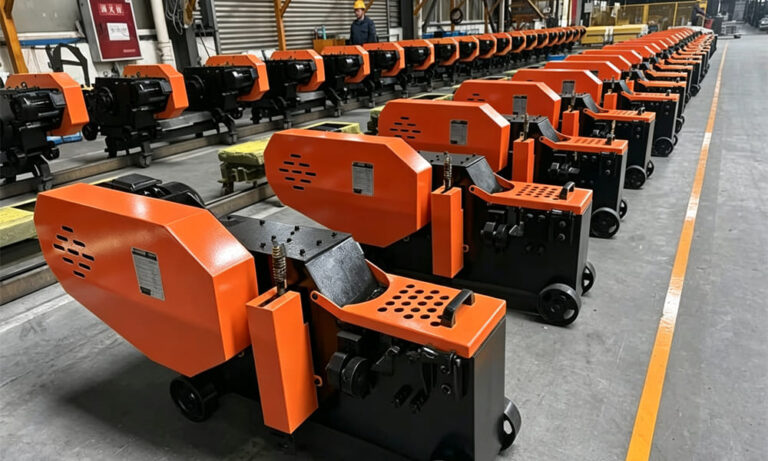
The cutting head is one of the most important load-bearing components of a rebar cutting machine. It supports the cutting mechanism and withstands considerable impact and shearing forces during operation. If the cutting head becomes cracked or fractured, the machine may lose cutting accuracy, experience abnormal vibration, or even suffer serious mechanical damage. Understanding the causes of cutting head failure and following proper operating procedures are essential for extending machine service life and ensuring workplace safety.
1. Main Causes of Rebar Cutting Machine Head Fractures
1. Overloading During Cutting
Cutting steel bars that exceed the machine’s rated capacity is one of the most common causes of cutting head fractures. Excessive cutting resistance generates significant stress on the machine head, especially when processing large-diameter or high-strength reinforcing bars continuously.
2. Poor Material Quality
If the cutting head is manufactured from low-quality cast steel or contains internal casting defects, such as pores, cracks, or uneven material structures, its ability to withstand repeated impact loads will be reduced. Insufficient heat treatment can also affect its strength and toughness.
3. Worn or Damaged Cutting Blades
Blunt, chipped, or improperly installed blades increase cutting resistance. This creates additional impact forces that are transferred directly to the cutting head, accelerating metal fatigue and potentially causing fractures.
4. Loose Bolts and Improper Installation
Loose connecting bolts, incorrect blade positioning, or poor assembly may result in uneven force distribution. During repeated cutting operations, localized stress can gradually cause cracks in the cutting head.
5. Long-Term Fatigue and Improper Maintenance
Continuous operation under heavy loads, combined with insufficient lubrication and delayed maintenance, can accelerate component wear. Small cracks may gradually expand under repeated mechanical stress until the cutting head eventually breaks.
2. Daily Operating Precautions
To prevent cutting head damage and maintain stable machine performance, operators should follow these precautions:
-
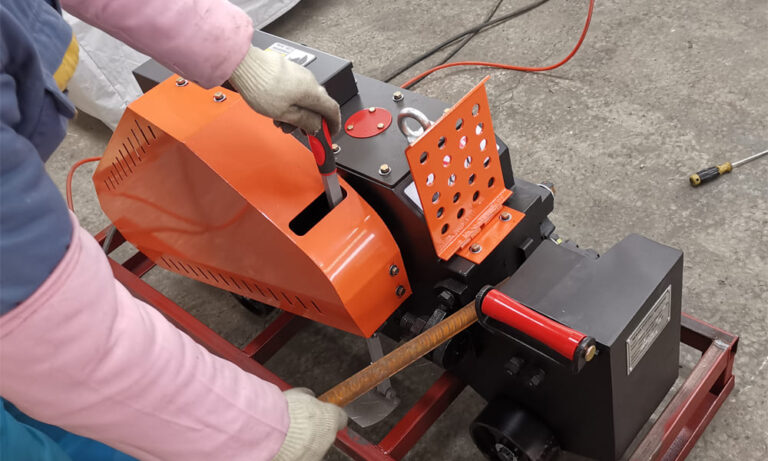
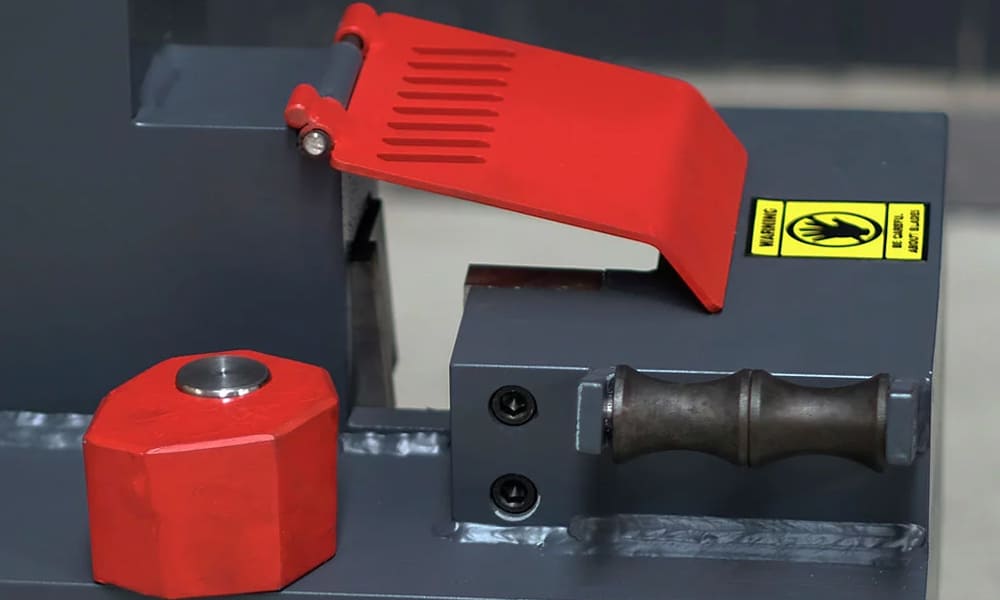
Check Before Starting: Inspect the cutting head, connecting bolts, blades, and protective covers before every working shift. Look for visible cracks, deformation, or loose components.
-
Follow Rated Capacity: Never cut steel bars exceeding the machine’s specified diameter or strength range.
-
Maintain Sharp Blades: Regularly inspect blade edges and replace damaged or excessively worn blades. Ensure correct blade installation and clearance according to the manufacturer’s specifications.
-
Avoid Improper Feeding: Position steel bars correctly on the cutting platform. Do not force oversized, bent, or incorrectly positioned materials into the cutting area.
-
Ensure Proper Lubrication: Maintain adequate lubrication of gears, bearings, and other moving components to reduce friction and mechanical stress.
-
Avoid Continuous Overloading: Allow the machine to operate within its designed working conditions. Stop the machine if abnormal noise, vibration, or unusual resistance occurs.
-
Perform Regular Maintenance: Periodically inspect critical structural components and address small cracks or loose connections before they develop into serious failures.
3. Conclusion
A fractured cutting head is often the result of excessive loading, material defects, blade problems, improper installation, or long-term mechanical fatigue. Choosing a well-manufactured rebar cutting machine, using suitable cutting blades, and following standardized operating procedures can significantly reduce the risk of structural failure.
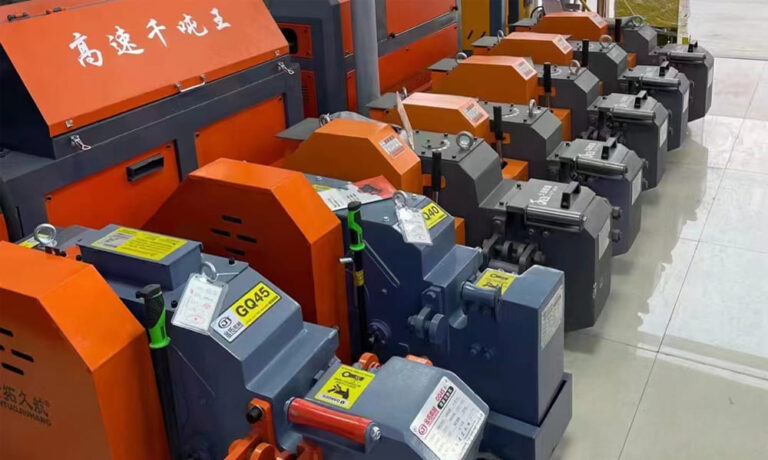
For construction machinery manufacturers and distributors, product quality should not be measured by cutting capacity alone. Structural strength, material selection, manufacturing precision, and long-term operational reliability are equally important factors.