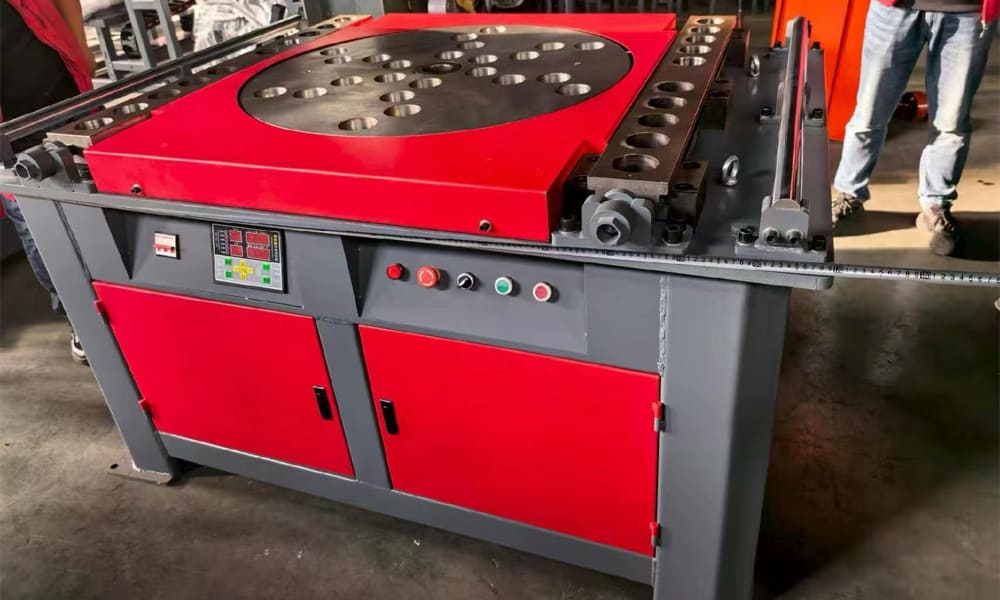
Key Characteristics of a High-Quality Rebar Bending Machine
A high-quality Rebar Bending Machine is essential for modern construction projects. It ensures accurate bending angles, stable performance, high production efficiency, and long-term reliability. Whether used in construction sites, steel processing plants, or infrastructure projects, a reliable machine can significantly improve productivity while reducing operating and maintenance costs.
What are the key characteristics that distinguish a high-quality rebar bending machine from ordinary equipment?
1. Heavy-Duty and Durable Machine Structure
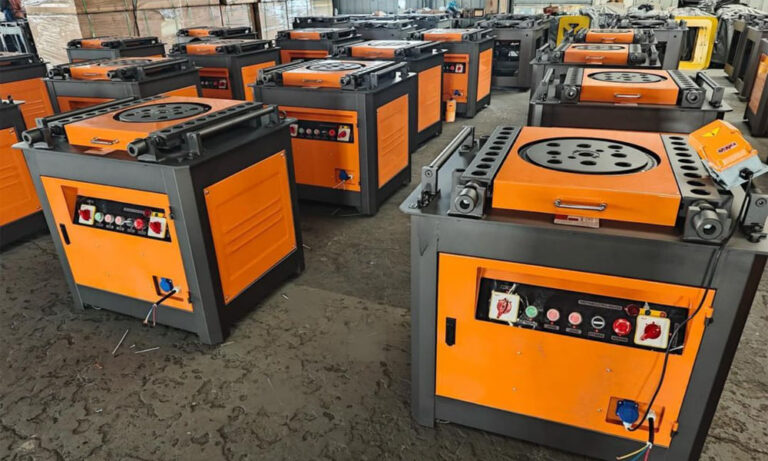
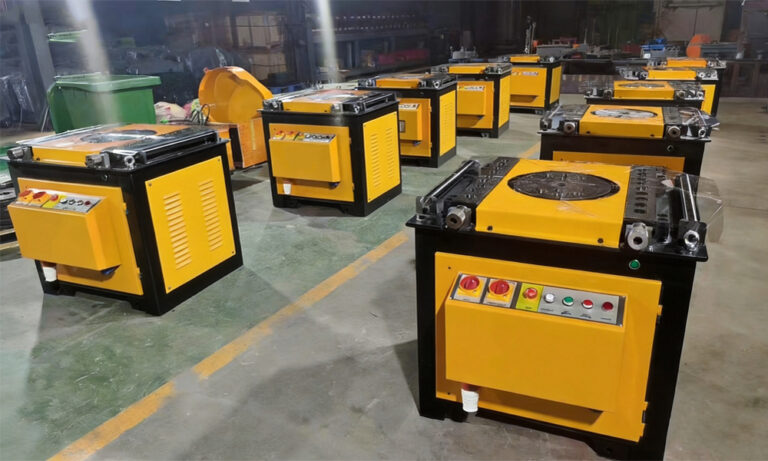
A high-quality rebar bending machine should feature a robust frame made from high-strength steel plates or cast iron components. A reinforced machine body provides excellent rigidity and stability, reducing vibration and deformation during continuous operation. A solid worktable also ensures consistent bending performance when processing large-diameter steel bars.
2. High-Strength Gears and Transmission System
The gearbox is one of the most important components of a rebar bending machine. Premium machines use high-quality alloy steel gears with precise machining and appropriate heat treatment. These gears provide excellent wear resistance, strong torque transmission, and a longer service life.
A reliable transmission system ensures smooth operation and reduces the risk of mechanical failure under heavy workloads.
3. Accurate Bending Angle Control
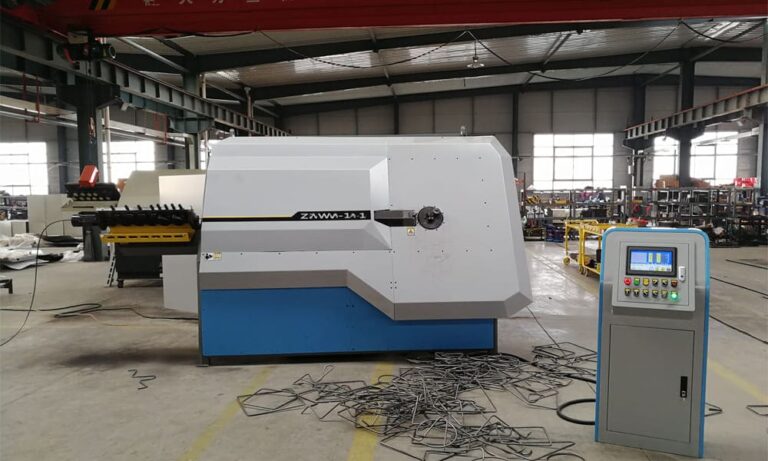
Bending accuracy directly affects the quality of finished reinforcement bars. High-quality machines are equipped with reliable angle positioning systems, adjustable limit switches, or advanced CNC control systems.
Operators can easily set the required bending angles, ensuring consistent results when producing stirrups, hooks, and other reinforced steel components.
4. Powerful Motor and Stable Performance
A high-performance motor provides sufficient power for bending different diameters and grades of reinforcing steel. Stable motor operation helps maintain consistent bending speed and reduces unnecessary energy consumption.
The electrical control system should also include appropriate overload protection and emergency stop functions to improve operational safety.
5. High-Quality Bending Accessories
Bending pins, central shafts, sleeves, and positioning components must be manufactured from wear-resistant materials. Properly designed accessories ensure accurate positioning, reduce friction, and prevent excessive wear during repeated bending operations.
6. Easy Maintenance and Long Service Life
A well-designed rebar bending machine should have an accessible lubrication system, convenient maintenance points, and easily replaceable wearing parts. Good structural design makes routine inspection and maintenance simpler, helping minimize downtime and operating costs.
7. Reliable Quality Control and After-Sales Support
A professional manufacturer should implement strict quality inspections covering raw materials, machining accuracy, assembly, electrical systems, and finished-machine testing.
Technical documentation, spare parts availability, and responsive after-sales service are also important indicators of a reliable supplier.
Conclusion
A high-quality rebar bending machine is not defined by price alone. Its real value comes from durable construction, precision transmission, accurate angle control, reliable electrical components, and consistent performance.
When selecting a Rebar Bender Manufacturer, buyers should pay attention to both manufacturing quality and long-term service capabilities. Choosing reliable equipment helps construction companies improve productivity, reduce maintenance expenses, and achieve better results in steel bar processing.