Analysis of Frequent Limit Switch Failures in Semi-Automatic Rebar Bending Machines
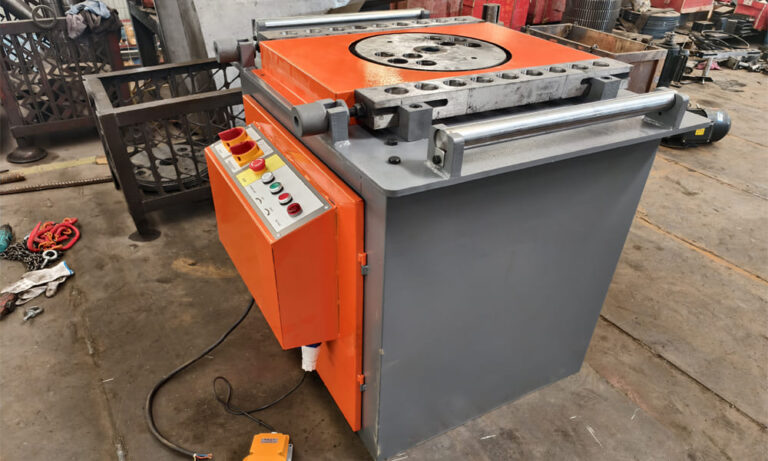
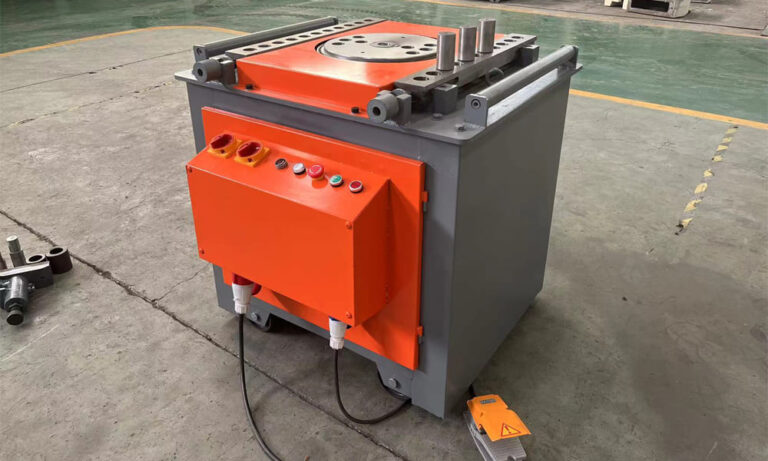
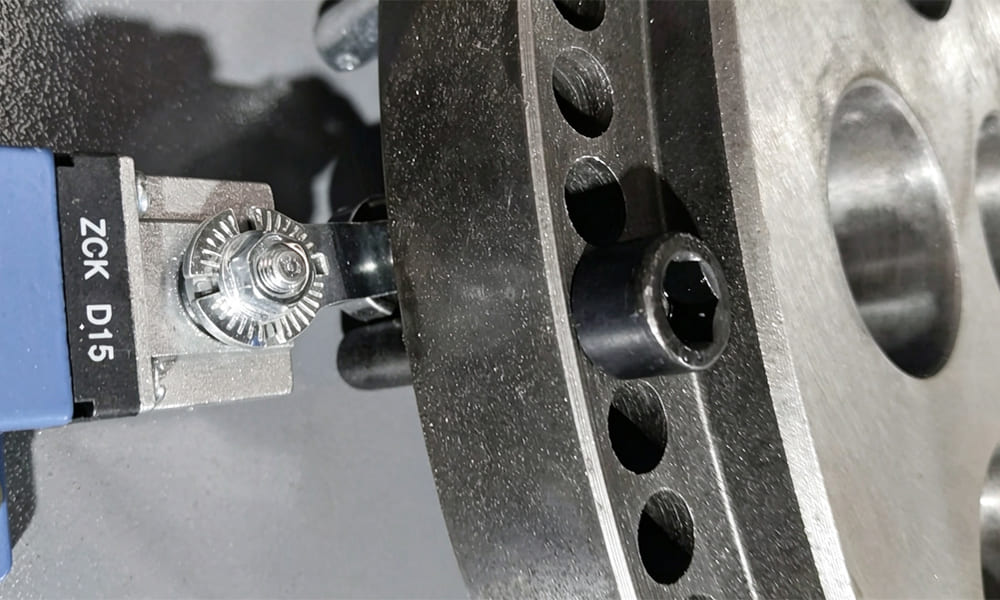
A semi-automatic rebar bending machine commonly uses a mechanical positioning and limit-switch control system to adjust bending angles. Multiple positioning holes are distributed around the outer edge of the bending disc. Operators insert positioning pins into the selected holes according to the required bending angle. As the disc rotates, the positioning pin contacts the limit switch, triggering the control system to stop or reverse the motor.
Although this structure is relatively simple and economical, some users experience frequent limit switch failures during actual operation. What causes this problem, and how can it be prevented?
1. Main Reasons for Frequent Limit Switch Damage
1. Excessive Mechanical Impact
This is one of the most common causes. When the bending disc rotates at high speed, the positioning pin may strike the limit switch with considerable force. Repeated impacts can damage the internal spring, contact mechanism, or actuator, eventually causing switch failure.
2. Incorrect Positioning Pin Installation
If the positioning pin is too long, too thick, or installed at an improper angle, it may apply excessive pressure to the switch actuator. An incorrectly positioned pin may also cause side impacts instead of normal contact, accelerating mechanical damage.
3. Improper Limit Switch Installation Position
If the distance between the limit switch and the positioning pin is not properly adjusted, the pin may hit the switch too aggressively. Insufficient clearance can also cause continuous pressure on the actuator, shortening its service life.
4. Poor Quality of Limit Switches
Low-quality limit switches may have insufficient mechanical durability and electrical contact capacity. Under frequent switching operations, their internal contacts can become worn, burned, or stuck, resulting in inaccurate signals or complete failure.
5. Electrical Overload and Incorrect Wiring
If the limit switch directly controls a motor circuit with excessive current, the internal contacts may experience electrical arcing and burning. Incorrect wiring, unsuitable contact ratings, or frequent motor switching can further shorten the switch’s service life.
6. Dust, Oil, and Environmental Contamination
Rebar bending machines often operate in dusty construction environments. Iron particles, dust, moisture, and lubricating oil may enter the switch housing, affecting actuator movement and electrical contact reliability.
7. Excessive Bending Speed and Frequent Operation
When the machine operates continuously at high speed, the limit switch experiences frequent mechanical impacts and electrical switching. The accumulated stress can cause premature fatigue and failure.
2. Effective Solutions to Reduce Limit Switch Failures
To improve the reliability of the angle-control system, manufacturers and operators should consider the following measures:
-
Install a Mechanical Buffer: Add a suitable rubber or polyurethane buffer to reduce the direct impact between the positioning pin and the switch actuator.
-
Optimize Positioning Pin Design: Ensure that the pins have appropriate dimensions, smooth contact surfaces, and correct installation angles.
-
Adjust Switch Clearance: Set the limit switch position to ensure reliable triggering without excessive mechanical pressure.
-
Select Industrial-Grade Limit Switches: Use switches with high mechanical endurance, suitable electrical ratings, and adequate protection against dust and moisture.
-
Improve Electrical Protection: Use an intermediate relay or contactor where appropriate, so the limit switch only controls the relay signal rather than directly carrying the motor’s main current.
-
Install Protective Covers: Prevent dust, iron particles, and moisture from entering the switch mechanism.
-
Control Operating Speed: Avoid unnecessary high-speed operation and repeated abrupt starts and stops.
3. Recommendations for Rebar Bending Machine Manufacturers
For manufacturers, replacement is not simply a component-quality problem. It may indicate that the entire mechanical triggering structure needs improvement.
A better design should minimize direct impact between the positioning pins and limit switches. For example, manufacturers can optimize the pin contact surface, install a buffer mechanism, improve switch mounting adjustments, or adopt a roller-lever limit switch to reduce impact and friction.
For machines requiring higher positioning accuracy and longer service life, an upgraded electronic angle-control system can also be considered.
4. Conclusion
Frequent limit switch failures in semi-automatic rebar bending machines are generally related to excessive mechanical impact, improper installation, unsuitable electrical connections, poor component quality, and harsh working environments.
A well-designed angle-control system can significantly reduce maintenance costs, improve bending accuracy, and ensure more reliable operation.