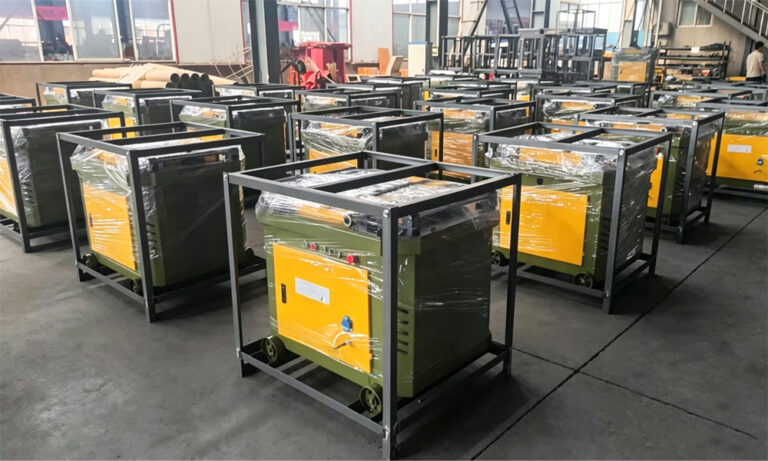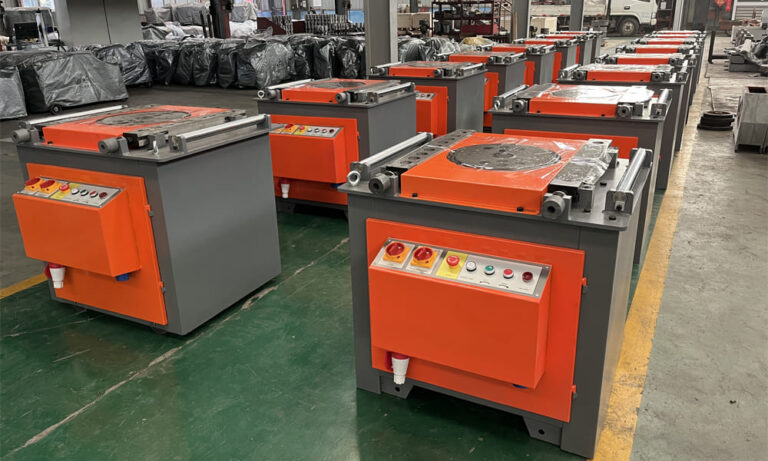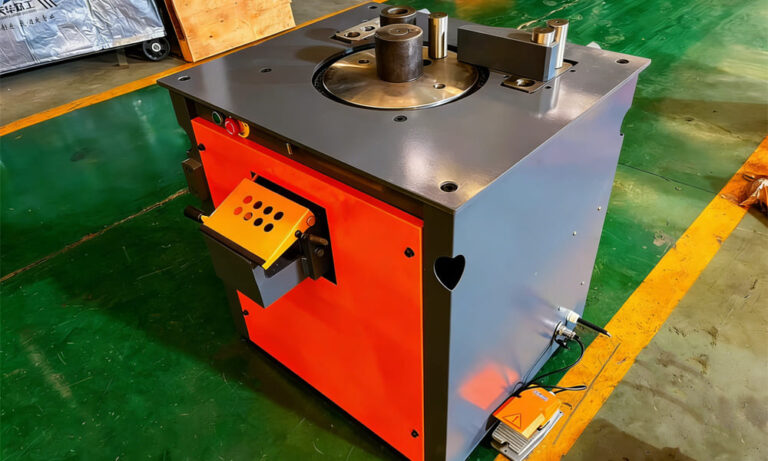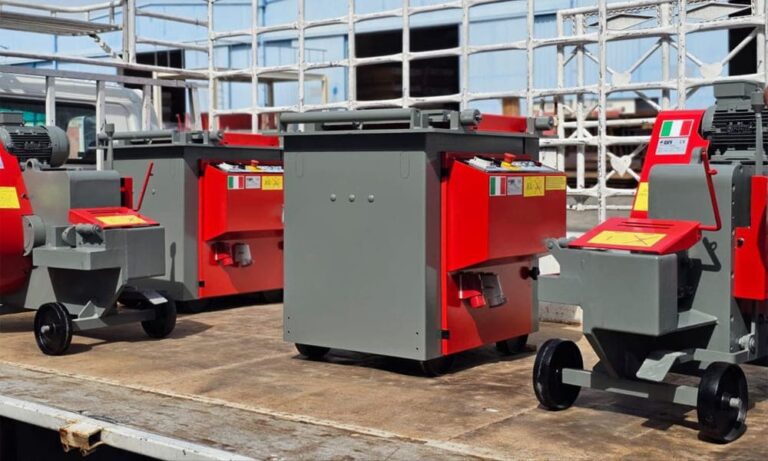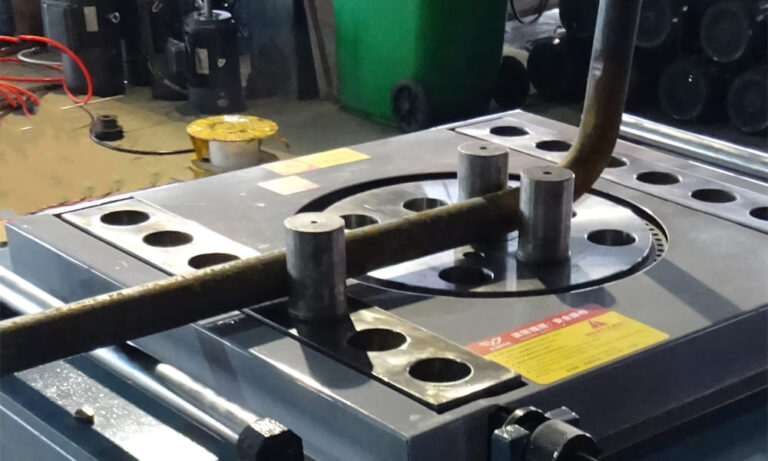
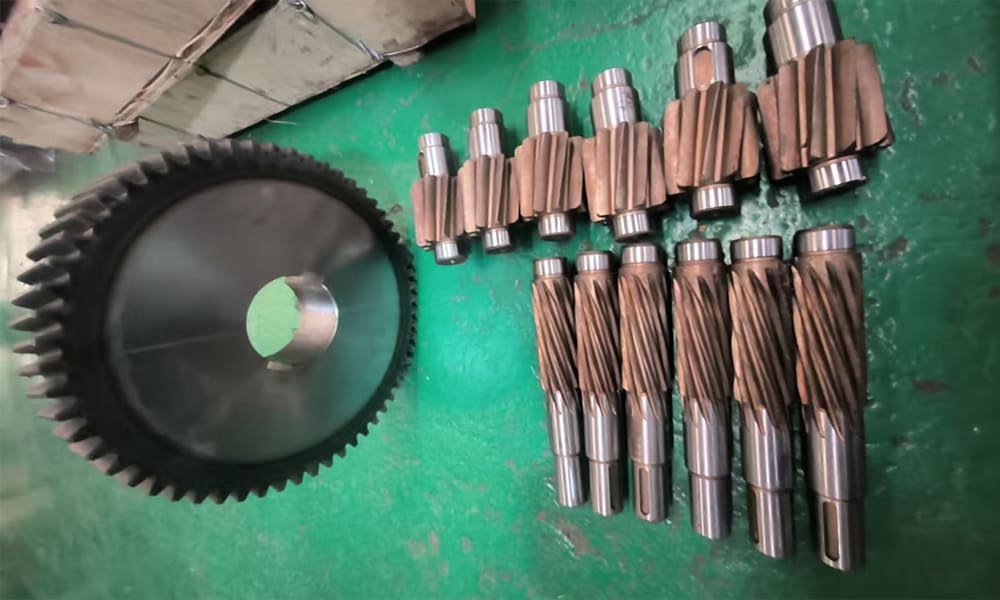
Rebar Bender Shaft is an important transmission component in a rebar bender machine. It connects the belt pulley to the machine’s transmission system and transfers rotational power from the motor to the bending mechanism. During long-term operation, the shaft is subjected to rotational forces, belt tension, friction, and vibration. If the pulley shaft wears too quickly, it can cause abnormal noise, belt slippage, unstable transmission, and even machine failure.
Understanding the causes of excessive shaft wear is essential for improving equipment reliability and extending the service life of a rebar bending machine.
1. Main Causes of Excessive Pulley Shaft Wear
1. Excessive Belt Tension
If the drive belt is adjusted too tightly, the pulley shaft will continuously withstand excessive radial loads. This increases the pressure on the shaft and its supporting bearings, accelerating wear on the shaft surface and bearing contact areas.
2. Poor Shaft Material Quality
The shaft’s material, hardness, and heat treatment directly affect its wear resistance. If low-quality steel is used or the heat treatment process is inadequate, the shaft may have insufficient surface hardness and fatigue strength, resulting in premature wear.
3. Improper Installation and Shaft Misalignment
If the motor pulley and driven pulley are not properly aligned, the belt will generate uneven lateral forces during operation. This can cause additional friction, vibration, and uneven loading on the shaft and bearings.
4. Bearing Wear or Damage
Worn, damaged, or poorly lubricated bearings cannot support the shaft properly. Excessive clearance allows the shaft to move abnormally during rotation, causing increased friction and uneven wear.
5. Insufficient Lubrication
Inadequate lubrication between the shaft and its supporting components increases friction and operating temperature. Over time, this can lead to surface scratches, overheating, and accelerated mechanical wear.
6. Long-Term Overloading
When a rebar bending machine frequently processes steel bars beyond its rated bending capacity, the transmission system must withstand greater resistance. The additional load can accelerate wear on the pulley shaft, bearings, and other transmission components.
2. How to Reduce Rebar Bender Shaft Wear
To improve the service life of the pulley shaft, operators and maintenance personnel should pay attention to the following points:
-
Adjust belt tension according to the manufacturer’s recommendations. Avoid excessive tightening.
-
Regularly check the alignment of the motor pulley and driven pulley.
-
Select high-quality bearings with suitable load capacity.
-
Lubricate bearings and related components according to the maintenance schedule.
-
Inspect the shaft regularly for scratches, deformation, excessive clearance, and abnormal heating.
-
Replace worn bearings promptly to prevent further damage to the shaft.
-
Avoid continuous overloading and operate the machine within its rated bending capacity.
-
Choose shafts made from suitable high-strength steel with proper heat treatment to improve wear resistance.
3. Conclusion
Excessive wear on the pulley shaft of a rebar bending machine is usually caused by excessive belt tension, poor material quality, installation misalignment, bearing damage, insufficient lubrication, or long-term overloading.
Manufacturers should pay particular attention to shaft material selection, machining accuracy, heat treatment, and bearing configuration during production. Meanwhile, users should establish regular inspection and maintenance procedures.