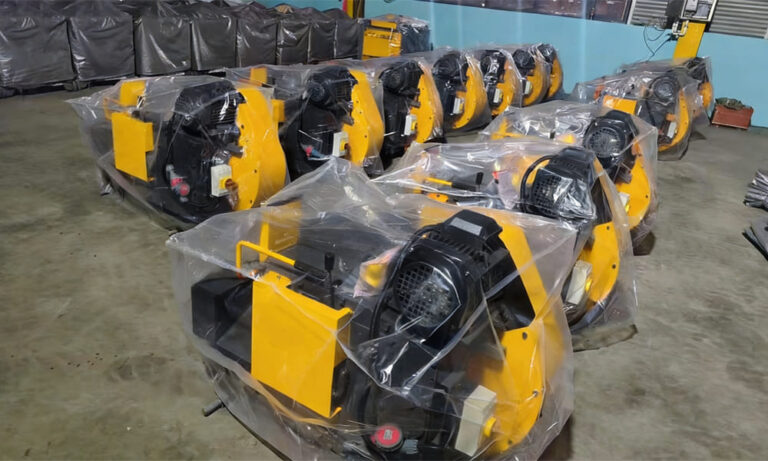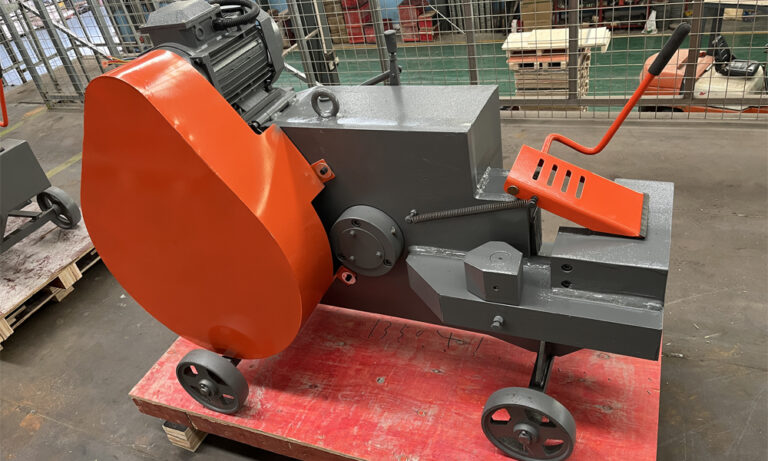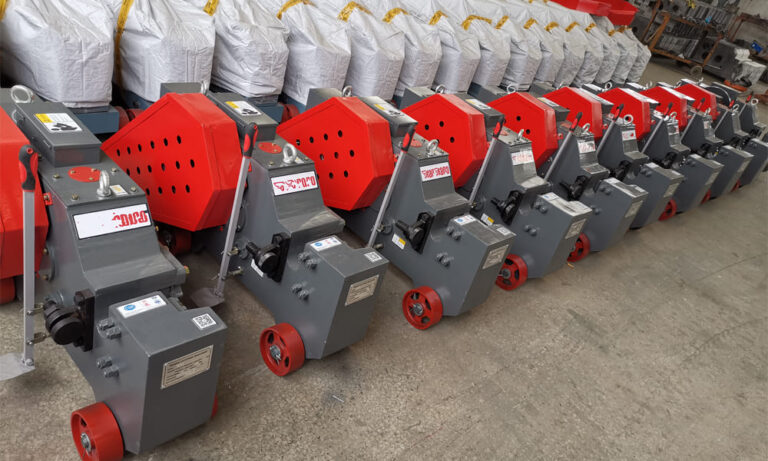
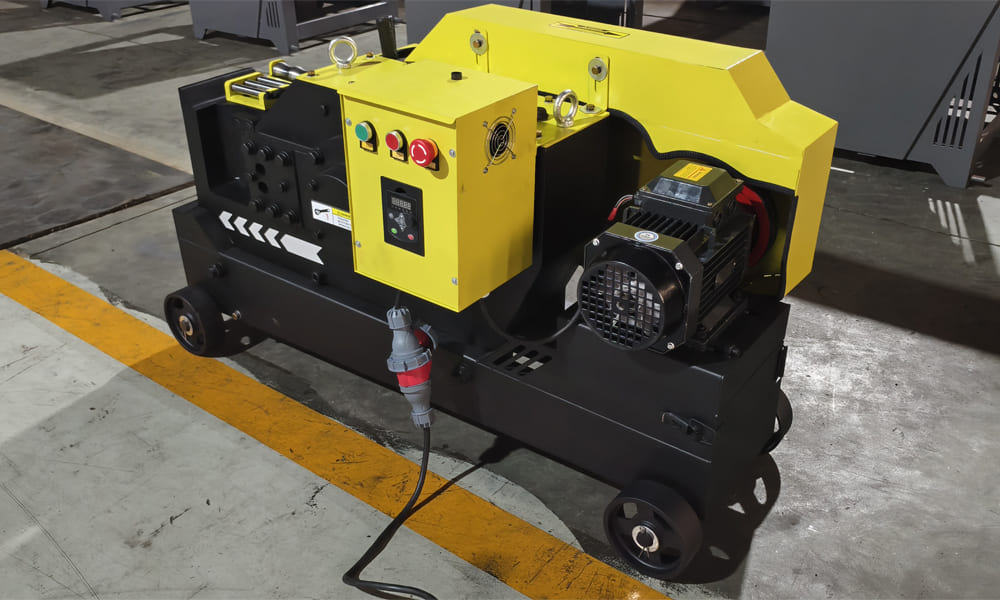
A traditional rebar cutting machine usually operates at a relatively fixed motor speed. By installing a Variable Frequency Drive (VFD), the machine can adjust motor speed according to operating requirements, improving energy efficiency, cutting performance, and operational flexibility. For construction projects and steel processing workshops, a VFD-equipped rebar cutting machine offers several practical advantages.
1. Adjustable Motor Speed
The primary function of a VFD is to regulate the motor’s rotational speed by adjusting the frequency of the power supply. Operators can select a suitable speed according to the diameter, strength, and cutting requirements of the steel bars.
For smaller-diameter rebar, an appropriate speed setting can help improve processing efficiency. For larger-diameter or higher-strength steel bars, a suitable operating speed can help reduce excessive mechanical stress. However, the actual cutting speed must remain within the machine’s designed operating range.
2. Smooth Starting and Stopping
A VFD enables the motor to accelerate and decelerate more gradually than a conventional direct-on-line starting method. This helps reduce starting current and can minimize sudden mechanical shocks to the transmission system.
Reduced starting stress may help protect the motor, gears, bearings, and other drive components, potentially extending their service life when the machine is properly designed and maintained.
3. Improved Energy Efficiency
A VFD allows motor speed to be adjusted to match actual operating requirements. Under suitable working conditions, this can reduce unnecessary energy consumption, particularly when variable-speed operation is useful.
However, energy savings depend on the motor, cutting mechanism, workload, and operating cycle. A VFD does not automatically guarantee lower power consumption during every cutting operation.
4. Enhanced Operational Flexibility
With adjustable speed settings, operators can adapt the machine to different production requirements. This flexibility is useful in steel processing workshops that handle different rebar sizes and production volumes.
A properly configured VFD can also provide motor protection functions, such as overload monitoring and fault alarms, depending on the drive model and system design.
5. Reduced Mechanical Wear and Maintenance Costs
Smoother motor starting and controlled acceleration can reduce unnecessary impact loads on mechanical components. Over time, this may help reduce wear and maintenance frequency, although regular inspection, lubrication, and blade replacement remain essential.
Conclusion
A rebar cutting machine equipped with a Variable Frequency Drive (VFD) offers advantages in motor speed regulation, smooth starting, operational flexibility, and potential energy savings. When correctly matched to the motor and cutting mechanism, a VFD can help improve the machine’s overall performance and reliability.
For manufacturers such as GHM Machinery, incorporating VFD technology can provide an additional option for customers seeking more flexible and efficient steel bar processing equipment.