The Role of Bending Shafts Sleeves in Rebar Bending Machines: Functions and Precautions for Different Rebar Diameters
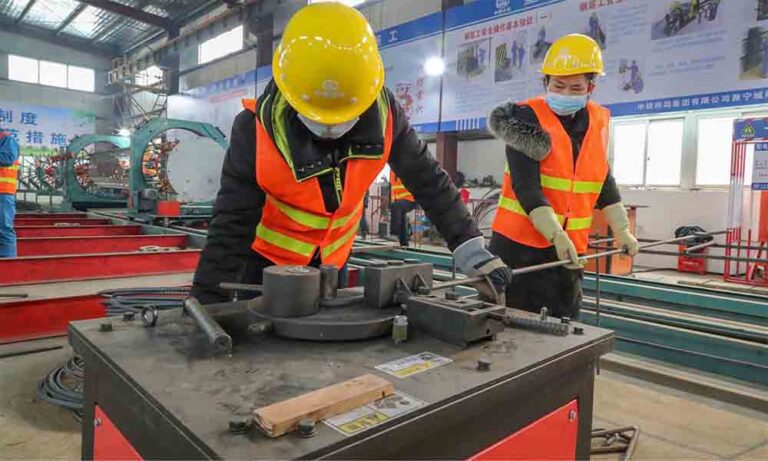
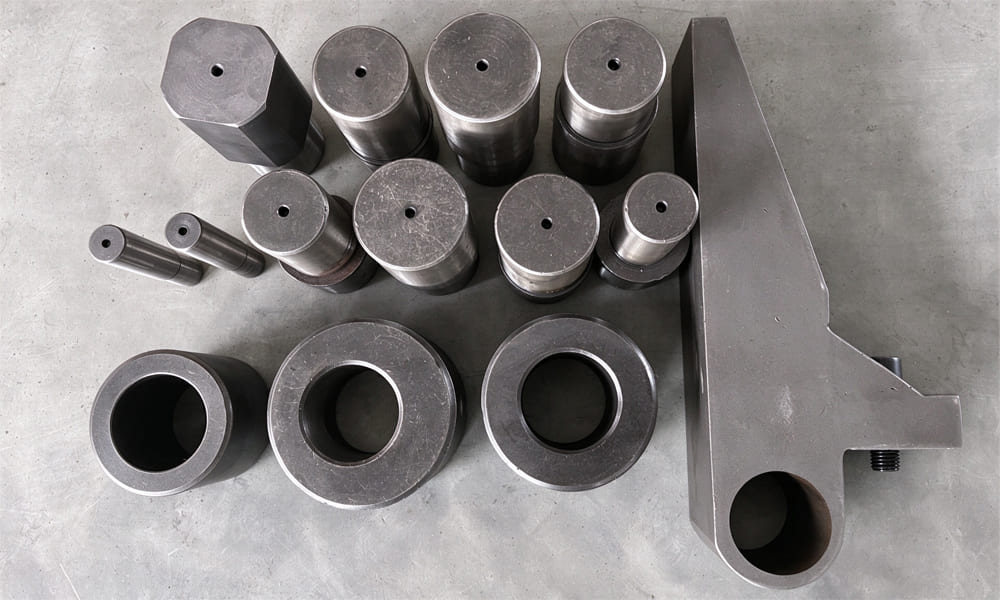
The bending shaft sleeve is an important accessory in a rebar bending machine. It helps position the reinforcing bar during bending, supports stable operation, and influences the quality and consistency of the finished bend. When processing rebar of different diameters, selecting and installing the correct bending shaft sleeve is essential for achieving reliable results and extending the service life of the machine.
1. Main Functions of the Bending Shaft Sleeve
1. Adapting to Different Rebar Diameters
Different rebar diameters require appropriate bending configurations. The bending shaft sleeve works together with the bending pin, center shaft, and positioning components to support the rebar during operation. Using suitable accessories helps maintain proper contact and positioning when bending thin, medium, or thick reinforcing bars.
2. Improving Bending Accuracy
The bending shaft sleeve helps maintain the correct position of the rebar relative to the bending shaft. Proper installation and a suitable sleeve configuration can reduce unnecessary movement, improve bending consistency, and help produce accurate angles and shapes.
3. Reducing Wear on Machine Components
A properly fitted sleeve helps distribute contact forces and protect relevant shaft surfaces from excessive wear. When bending large-diameter rebar, the machine generally experiences greater resistance and loading. Suitable accessories and correct operating parameters help reduce the risk of premature wear or damage.
4. Supporting Stable and Safe Operation
The sleeve contributes to the positioning and stability of the bending assembly. Correctly matched components help prevent abnormal movement during bending and support smooth operation, particularly when processing rebar of different sizes in continuous production.
2.Precautions When Bending Different Rebar Diameters
-
Select the correct accessories: Check the machine manufacturer’s specifications before choosing the sleeve, bending pin, and other components for the required rebar diameter.
-
Follow the minimum bending diameter requirements: The required bending radius depends on the rebar diameter, steel grade, applicable construction standards, and project specifications. Never use an undersized bending pin simply to achieve a tighter bend.
-
Inspect the sleeve before operation: Check for cracks, deformation, excessive wear, loose fitting, or other damage. Replace defective components promptly.
-
Install components correctly: Ensure that the sleeve is properly seated and that the bending shaft and related parts are securely installed according to the operating manual.
-
Avoid overloading the machine: Do not bend rebar beyond the machine’s rated capacity. Large-diameter bars require appropriate machine power, tooling, and operating settings.
-
Never adjust components while running: Stop the machine and isolate the power supply before replacing the sleeve or adjusting the bending accessories.
3. Conclusion
The bending Bending Shafts Sleeves plays an important supporting role in the performance of a rebar bending machine. Correct accessory selection, regular inspection, proper installation, and compliance with the machine’s rated capacity help improve bending quality, reduce component wear, and maintain safe production.
For construction companies and rebar processing facilities, understanding how the bending shaft sleeve works with other bending components is an important step toward achieving efficient, consistent, and reliable rebar processing.